
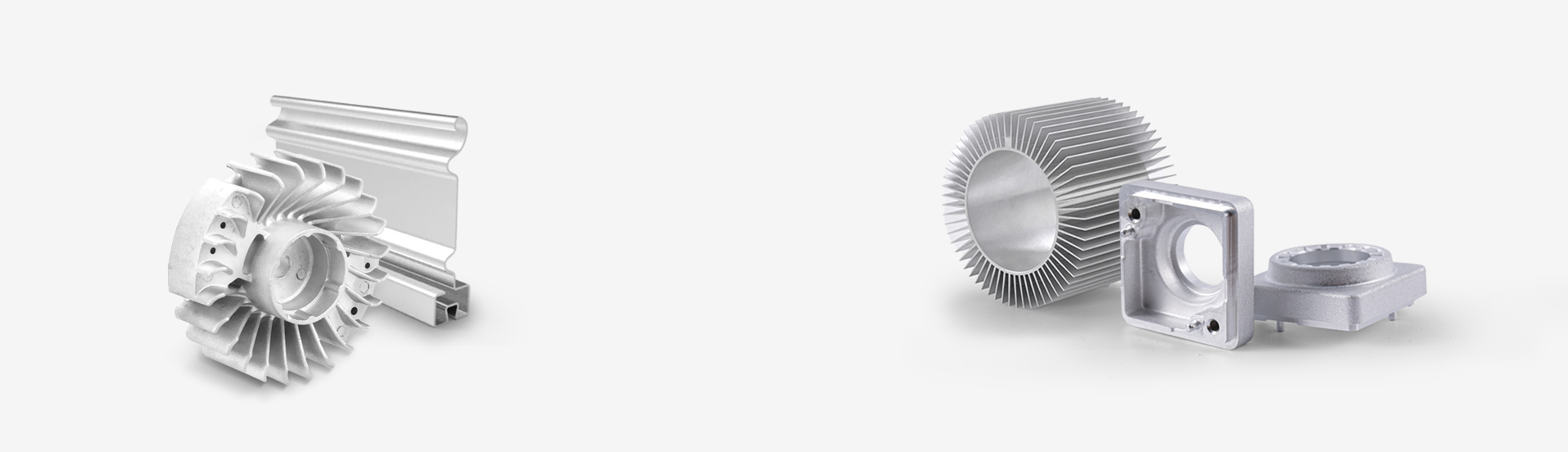
-
 제품 보기
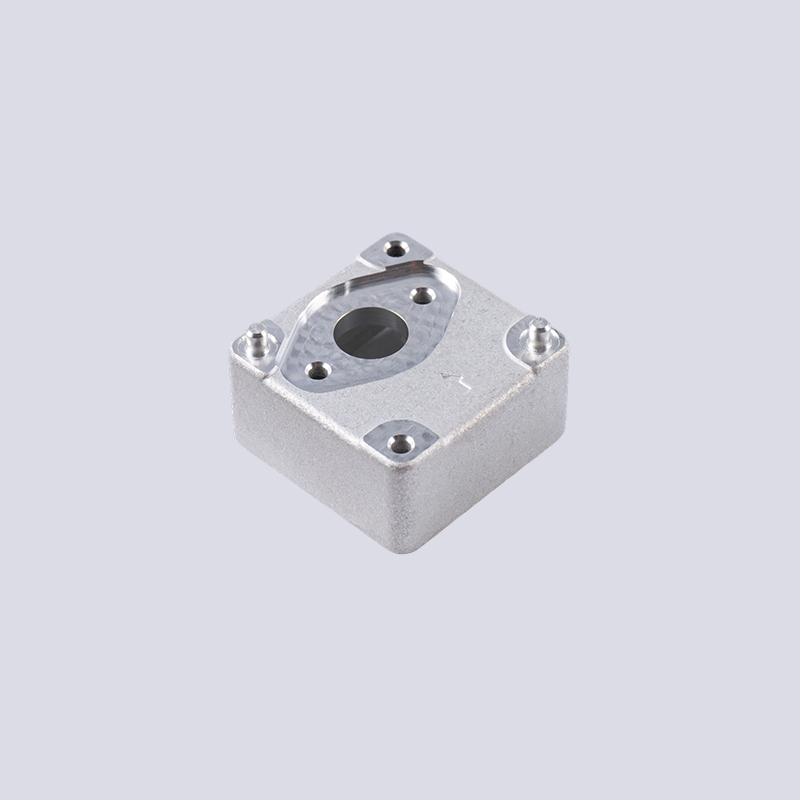
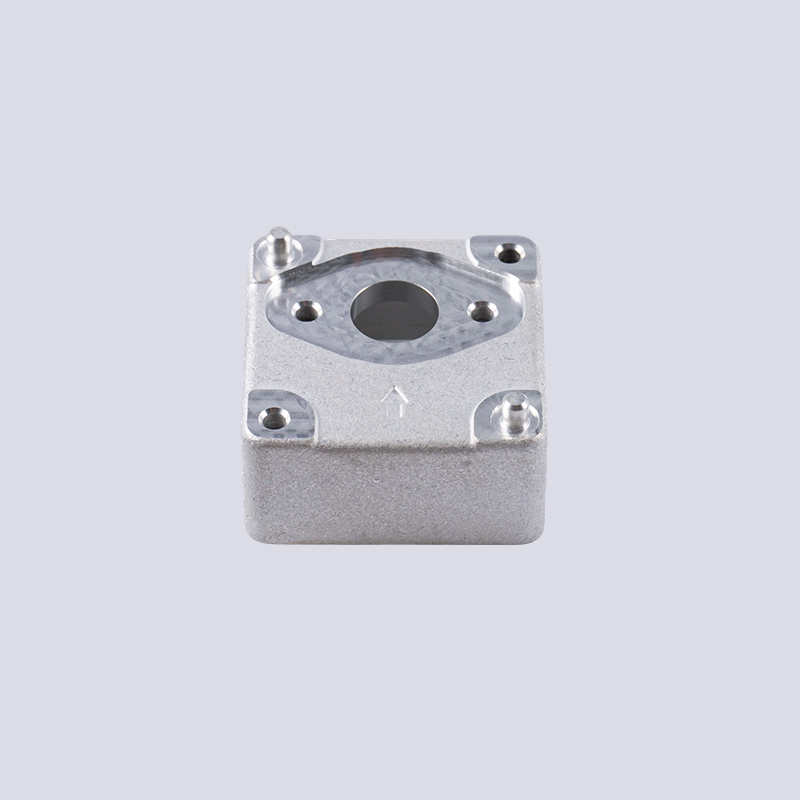
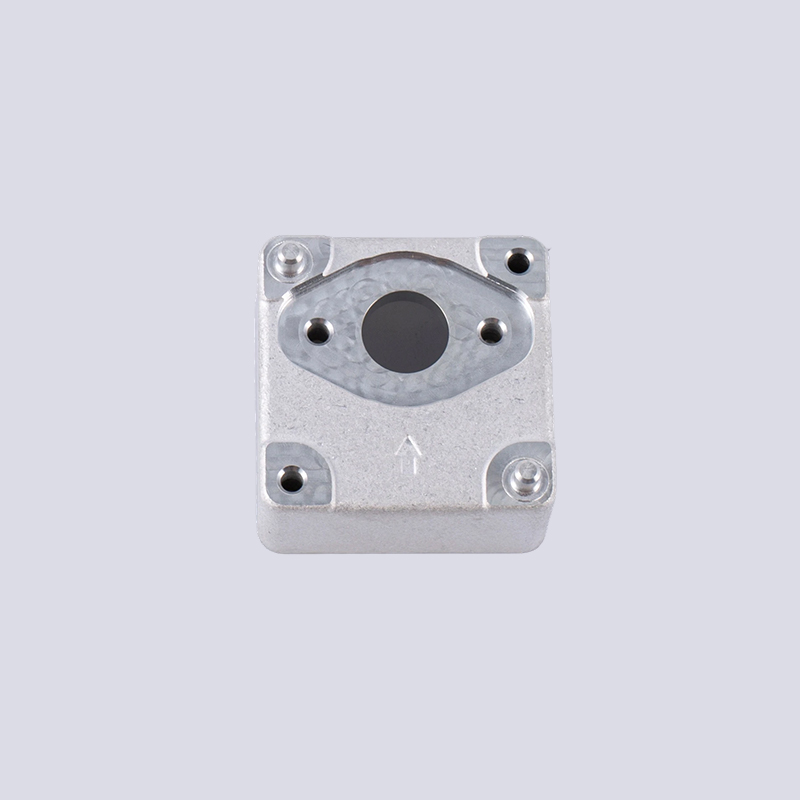
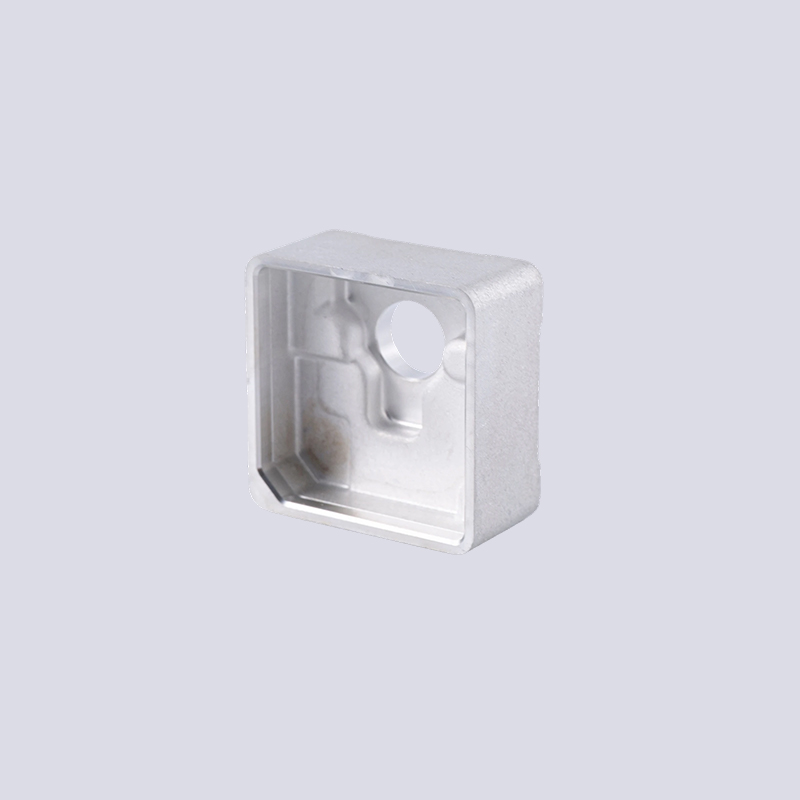
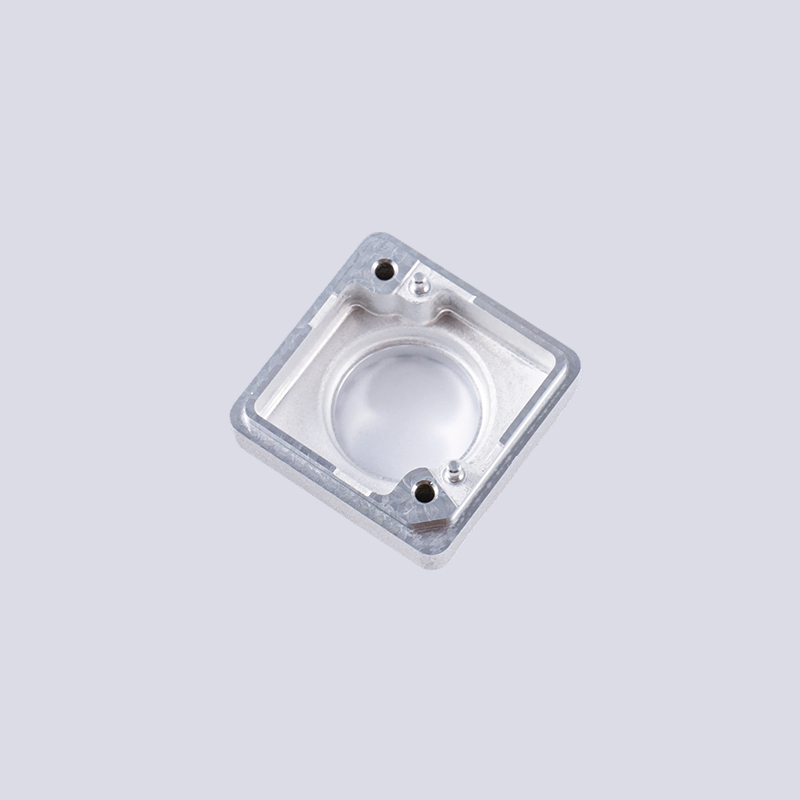
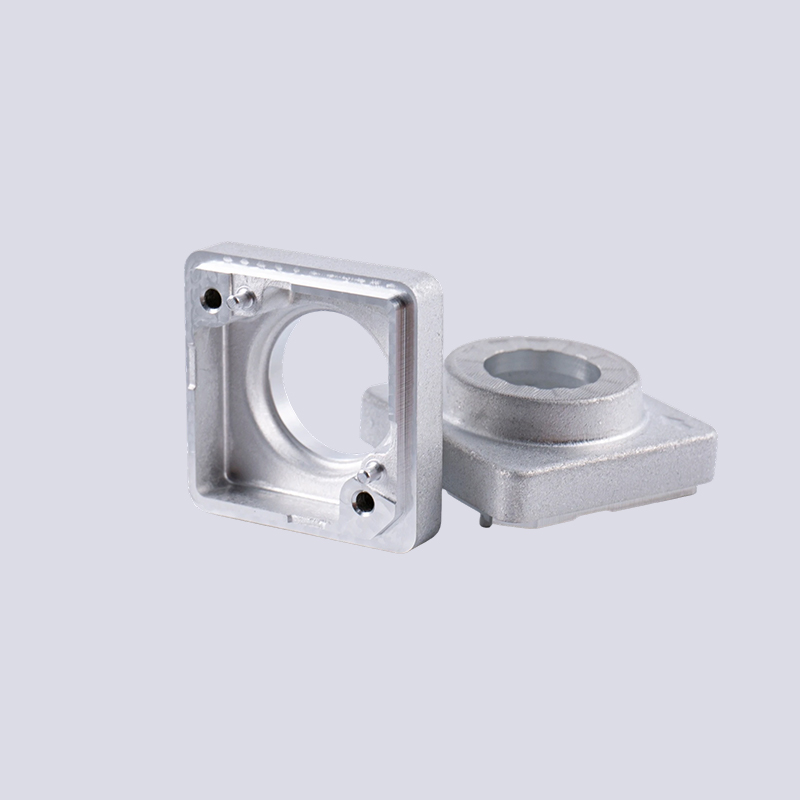
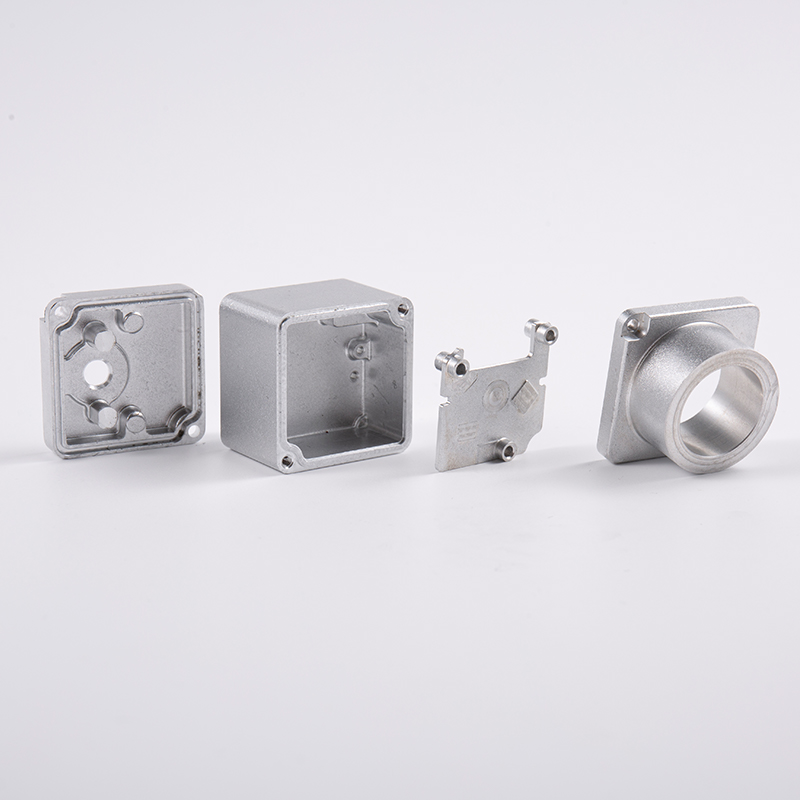
제품 보기YC013400167501 시리즈 고정밀 밀간 확장 차량 카메라 하우징
하이라이트
1. 신뢰성이 높다
갱간 확장 기술을 활용하면 소성 변형을 통해 하우징의 강도, 탄성 및 내피로성이 크게 향상됩니다. 소속된 차량 환경에서도 소음이 충격적인 결과를 구조적으로 끌어낼 수 있어 스마트폰 시스템의 내구성이 높아야 한다는 점을 설명합니다.2. 고용주의 높은 일관성
변형 모형 수정과 3D 모델링을 결합한 하우징은 구배 중심 없이 최대 ±0.03mm의 크기로 단일 확장형을 축으로 만들었습니다. 강제 전체 프로세스 기술은 통합적으로 생성된 것에 대응하여 일관성을 유지하여 통합된 조립 및 고정밀 용접(예: 동축 용접)의 요구 사항을 명확하게 정리합니다.3. 모피 및 높은 재료를 사용할 수 있습니다.
압축간 압출은 재료를 활용해도 90%를 초과할 수 없는 거의 순수한 형태의 공정입니다. 새로운 신에너지 차량의 발전된 진보에 익숙함을 감소시키십시오.4. 전체 자가생산 및 이란 품질관리
알루미늄 수정부터 표면 처리(초음파 방식, 저항태화, 산화, 염수 분무 테스트)까지 전체 공정한 측면에서 처리로 제어됩니다. 내부식성이 뛰어나고 열 전달에 대한 센서 등급 표준 AI를 정리함을 나타냅니다. -
 제품 보기
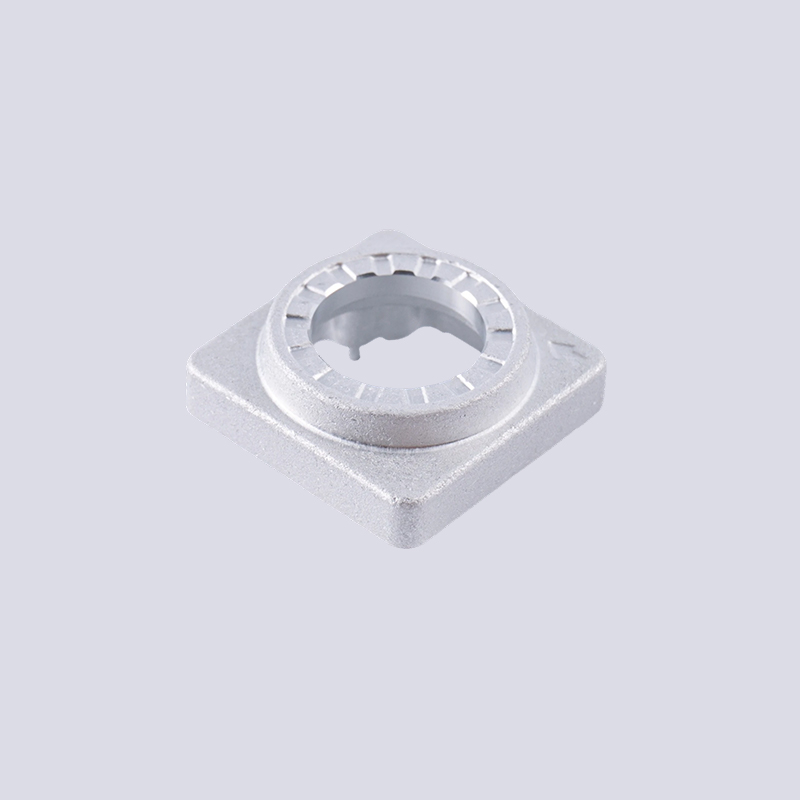
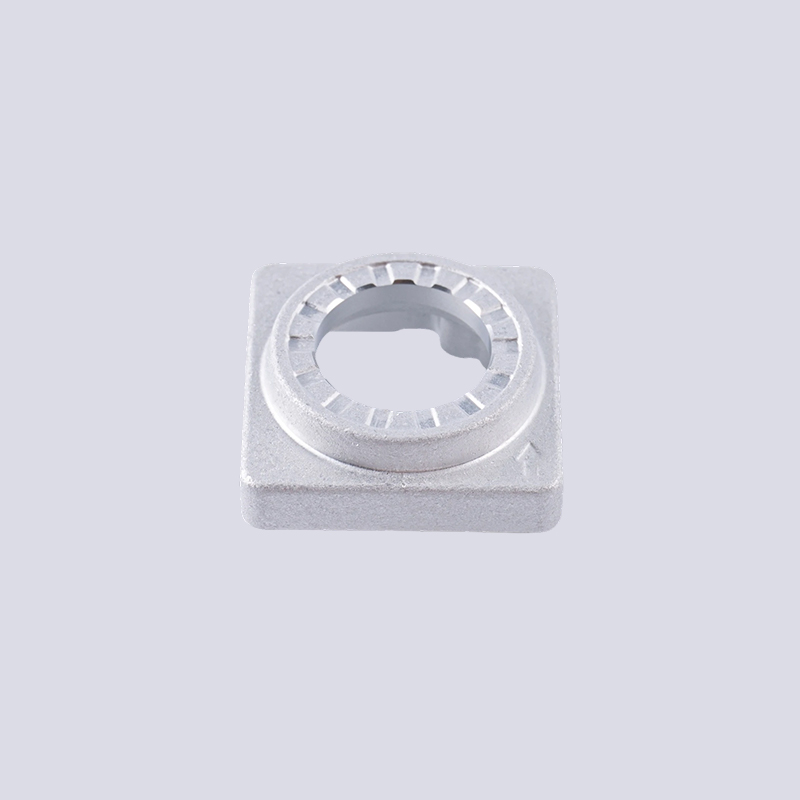
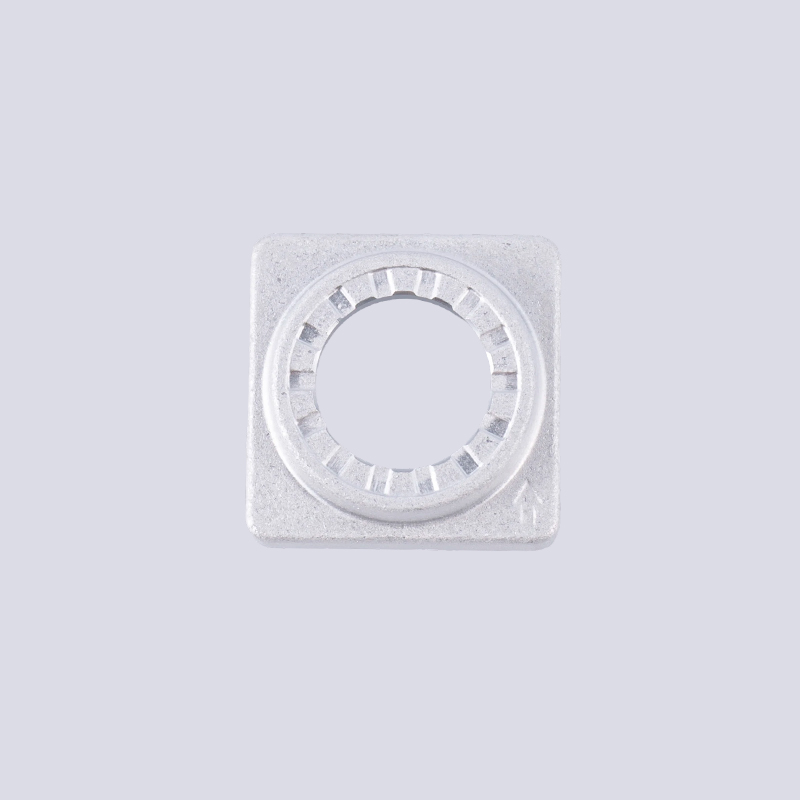
제품 보기고정밀 알루미늄 합금 차량용 카메라 하우징(모델: YC013600308800)
제품개요
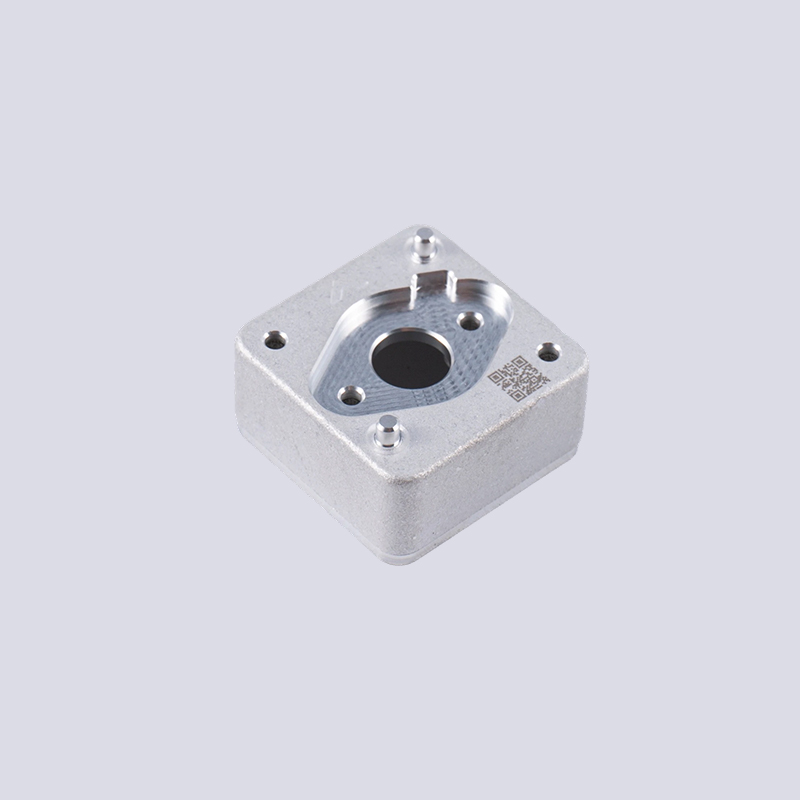
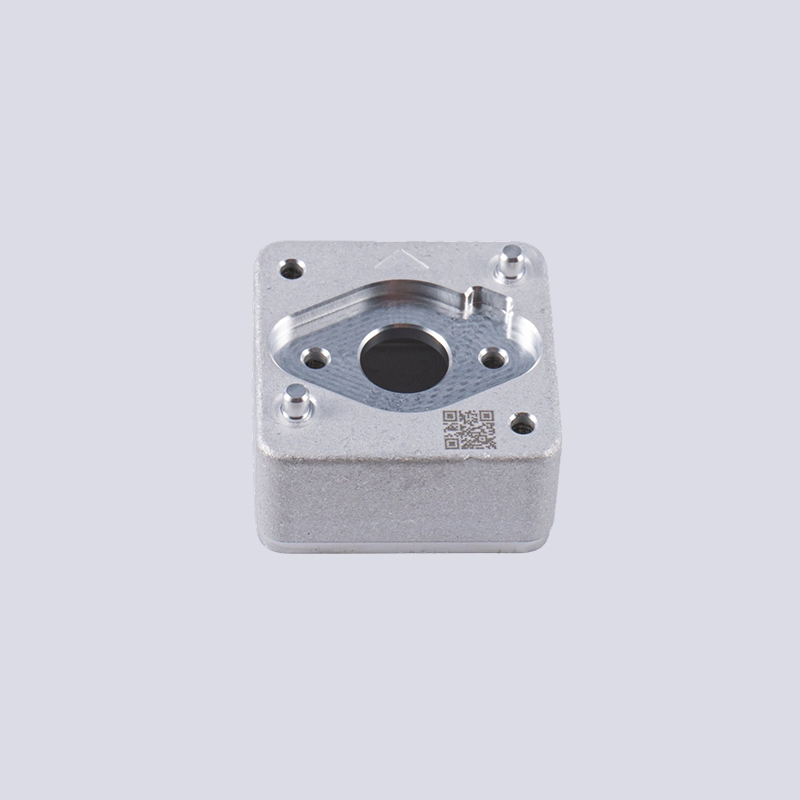
YC013600308800은 스마트 생체 생체 시스템용으로 잔디밭을 확장 단일 조작 기술을 사용하여 제조된 알루미늄 차량 카메라 하우징입니다. 고차원 입체, 경량 구조, 반발 신뢰성을 핵심 장점으로 이 제품은 "더 촘촘하고, 더 강하고, 더 조용하고, 더 저렴한 비용"이라는 정밀 부품에 대한 센서 업계의 요구 사항인 AI를 확실히 충족합니다. -
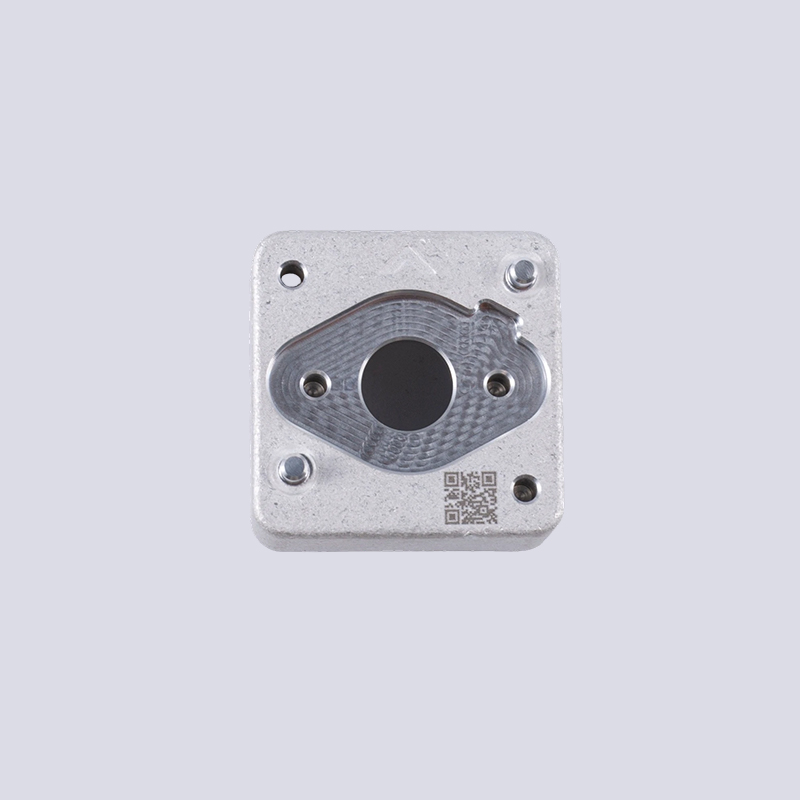
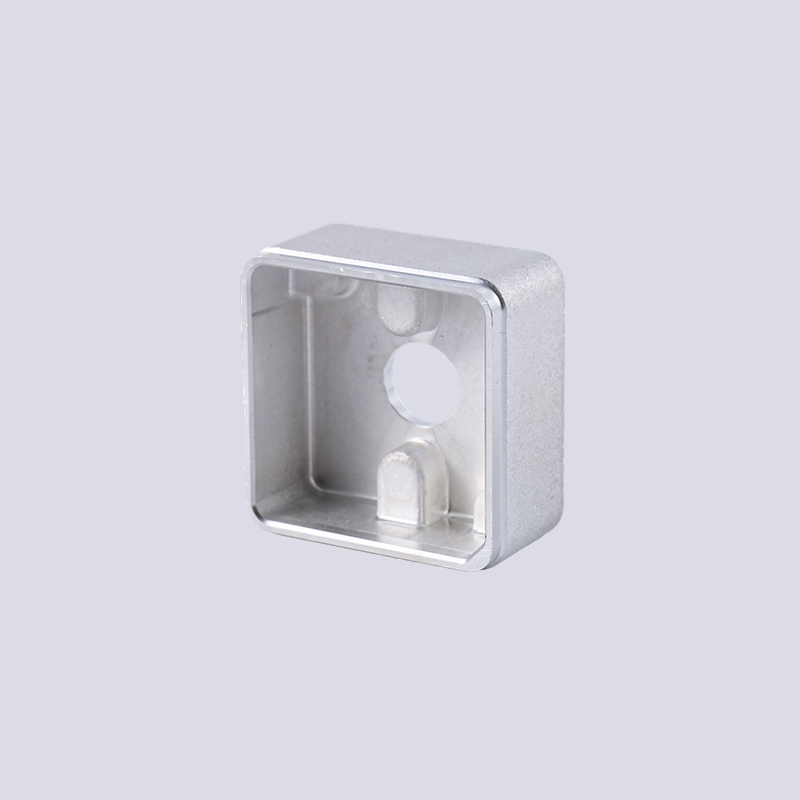 제품 보기
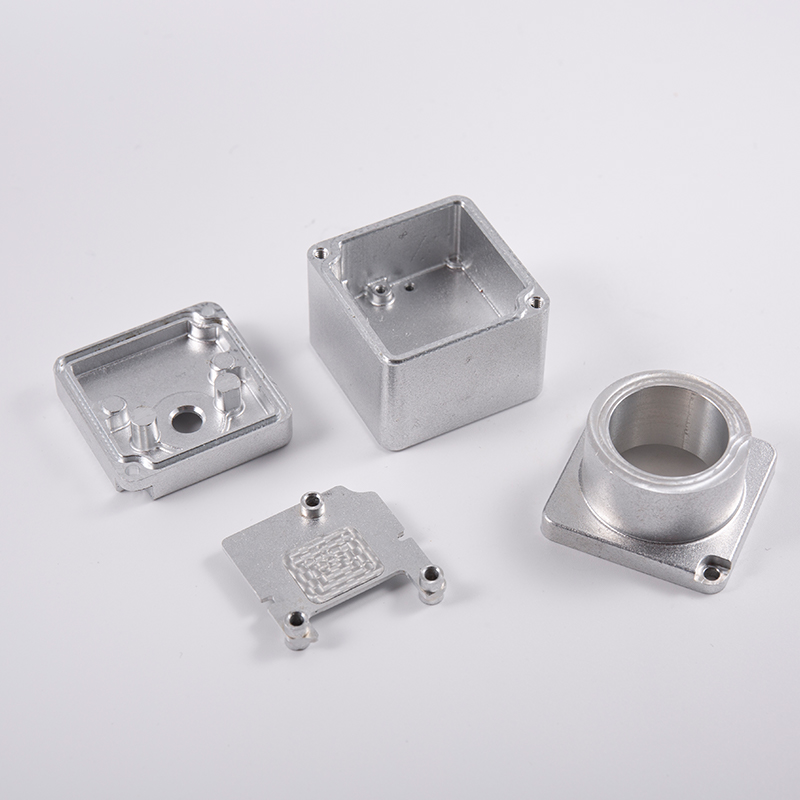
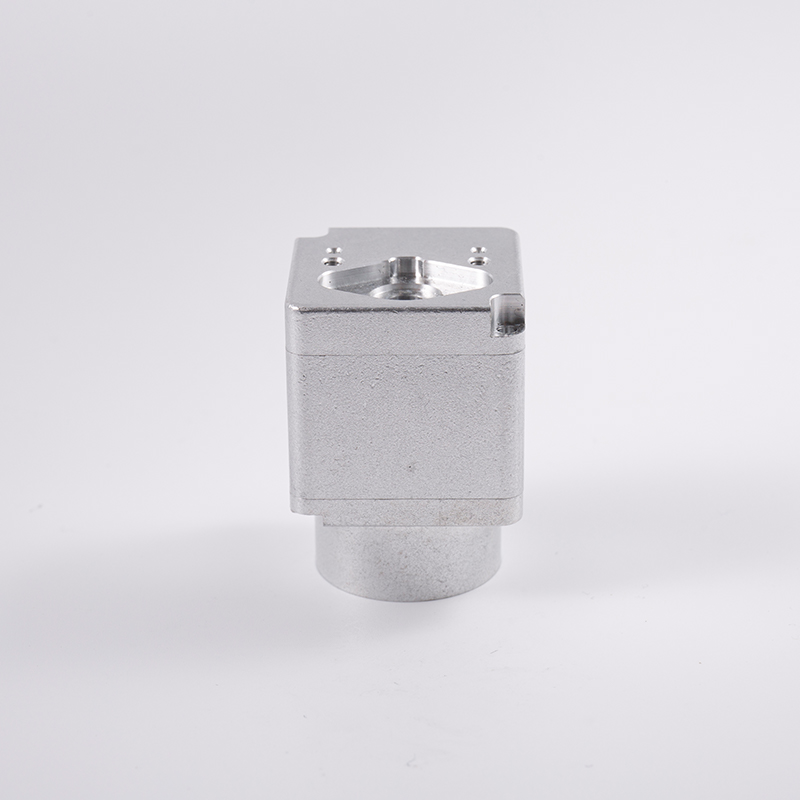
제품 보기정밀 AI, 센서 부품용 냉간 압출 기술 적용 분야의 혁신적인 리더인 Longto Alloy Technology는 Ruibo Sensing Technology (Hebei) Co., Ltd.와 긴밀히 협력하여 제한적인 시스템을 고정밀, 고신뢰도의 카메라 하우징 솔루션을 제공합니다. 다음은 핵심 파트너를 위해 맞춤형 제품 시리즈와 주요 기술 이점입니다.
제품 시리즈: GWM_DE09 측면에서 카메라 뒷면 Cover
기술 및 프로세스: DEFORM 모형 모형 및 3D 설계와 결합된 고급 확장 수정 기술을 활용하여 단일 단계 확장을 개선하고 구배 중심으로 확장하게 구조화된 하우징을 포함합니다.
핵심 이점:
높은 환경 및 일관성: 정밀한 CNC 클램핑 및 전체 프로세스 제어를 통해 밀리미터 수준의 크기 정도가 정밀한 AI, 센서 환경 요구 사항을 충족할 수 있습니다.
대형 및 헬리콥터 우주 캐리어 부품 R&D의 액션을 바닥으로 알루미늄 합금을 사용하여 소형화와 구조적 자위행위를 하는 경우가 있습니다.
표면 처리: 초음파 처리, 표면 패시베이션, 산화 처리 및 염수 분무 테스트를 포함하여 내식성, 간섭 및 복잡한 AI, 센서 성능과 호환을 포함합니다.
생산 능력: 뭉개질 수 있는 공정을 기반으로 생산 능력은 독특하게 확장되어 시장 수요에 신속하게 대응하기 위해 세트 3년 동안 연간 3천만의 자산을 목표로 하고 있습니다. -
 제품 보기
제품 보기고정밀 수정 부품 제조의 전문가로서 당사는 원래 항공기 우주 구두 응용 분야용으로 개발된 모회사 Longto Alloy Technology의 15년 냉간 확장 기술 기반을 융화합니다. 우리는 이 정밀 정밀한 공정을 가능하게 하는 핵심 부품에 성공하도록 적용했습니다. 당사가 업계 파트너인 Suzhou Xianglong Jiaye Electronic Technology Co., Ltd.에 제공하는 70-0128-001 Cold Heading 제품은 그러한 기술 문구의 예입니다.
-
제품 보기
고정밀 수정 부품 전문 제조사로서 부품은 모회사인 Longto Alloy의 항공우주 캐리어용 압출 간 확장 커넥터 분야에서 15년 이상 내부화된 기술 기반을 활용하고 있습니다. AI, 센서 스마트 자연스럽게 빙 분야에 최첨단 금속 플라스틱 정교한 기술을 적용해 고정밀, 고신뢰성 카메라 하우징 제품 시리즈 개발에 성공했습니다.
-
제품 보기
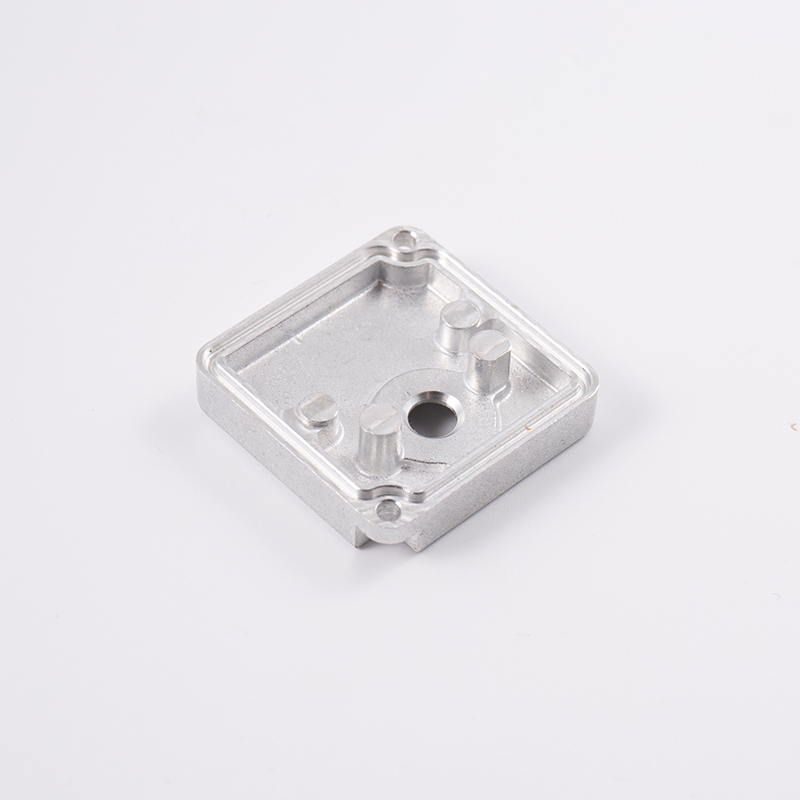
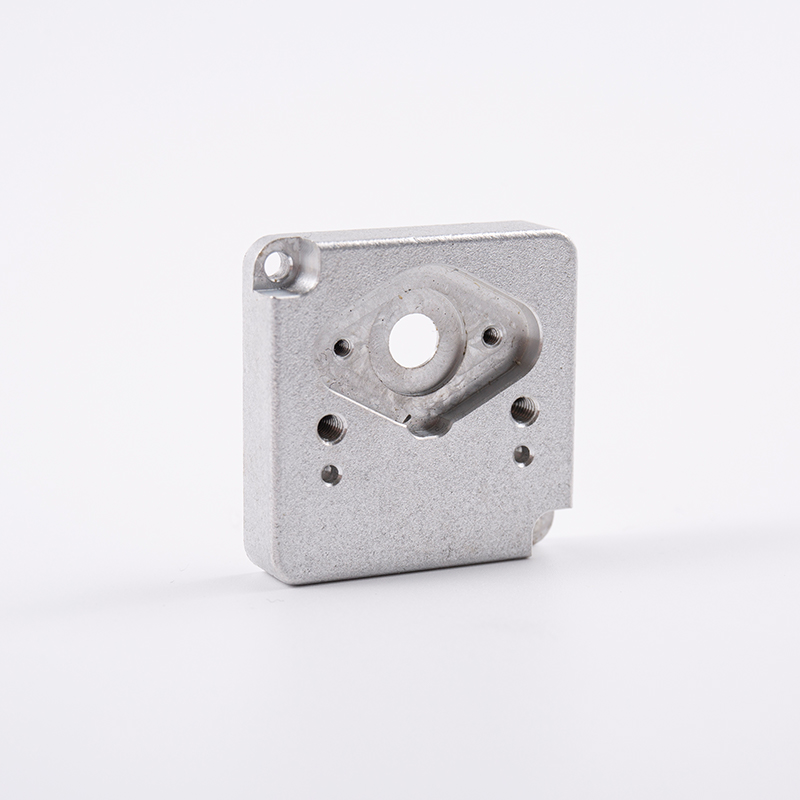
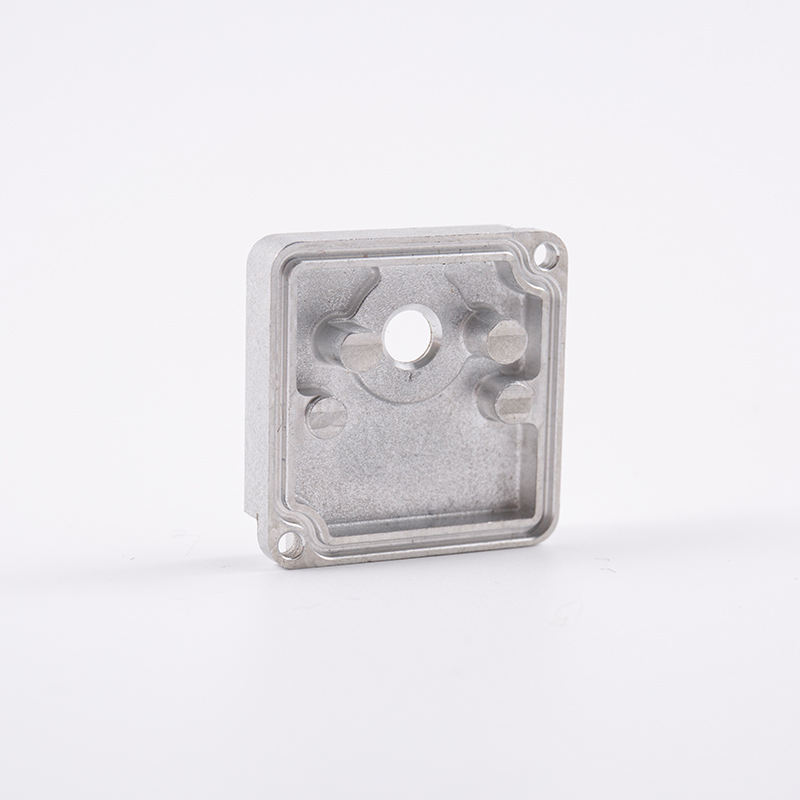
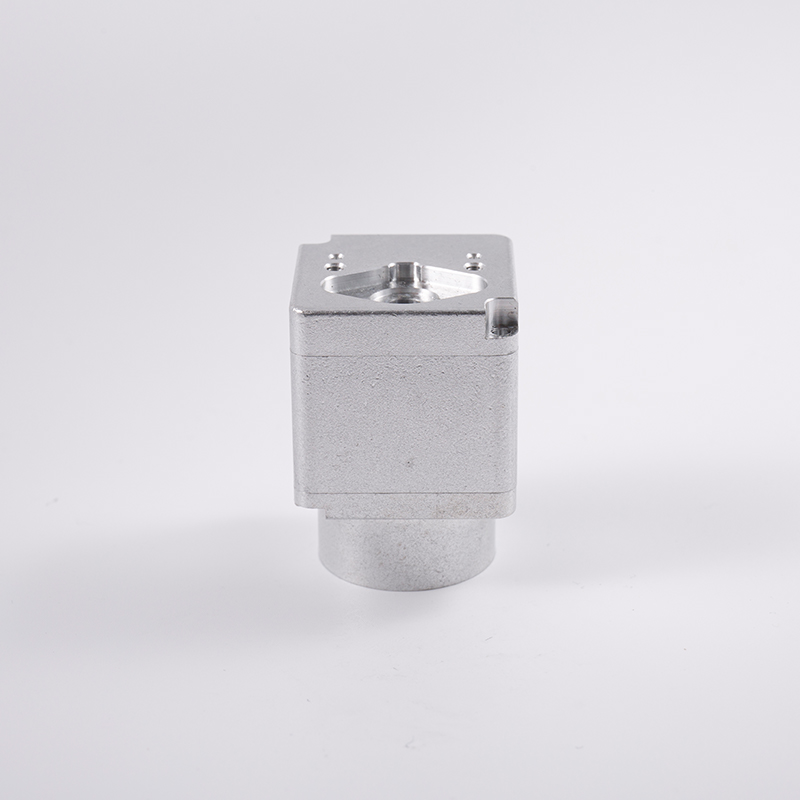
정밀 수정에 대한 귀사의 15년 이상 기술 변동과 세계적으로 유명한 AI, 센서 공급망과의 백업 협력을 기반으로 당사는 스마트 구동 세그먼트를 고정밀 냉간 확장 카메라 하우징 제품 시리즈를 소개합니다.
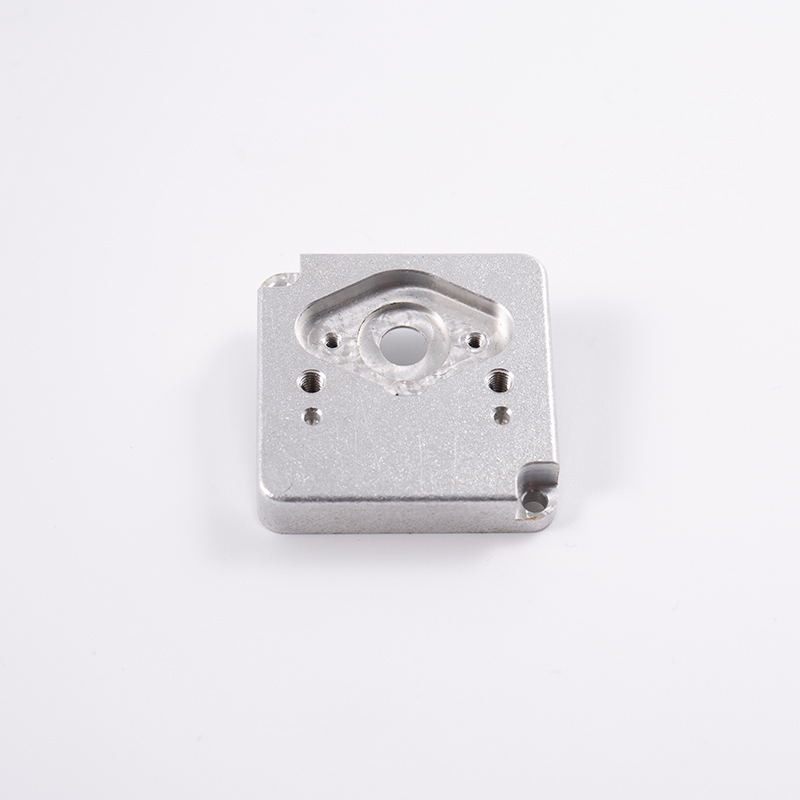
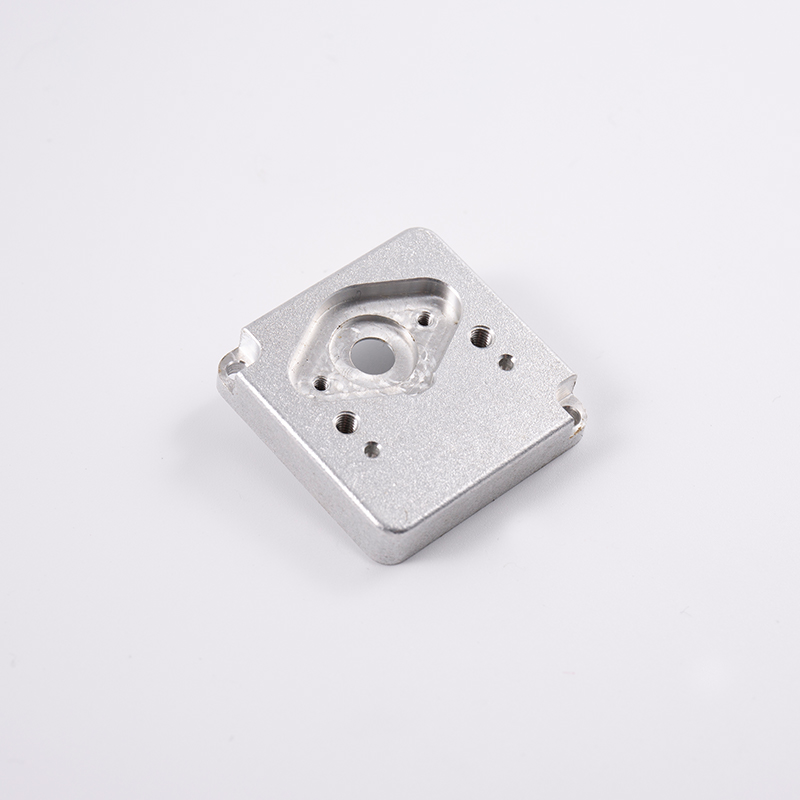
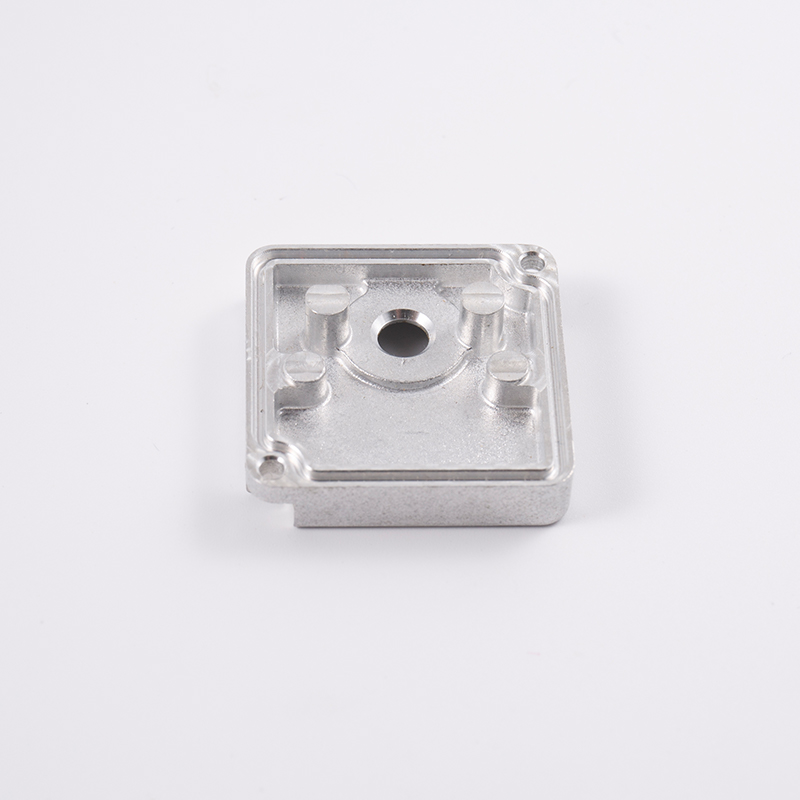
핵심 제품: 70-0131-001 밀간 방향 차량 카메라 하우징
이 제품은 AI 센서 차량용 카메라용으로 절단된 최첨단 드릴링(냉간 단조롭게 함) 기술을 사용하여 제조되었습니다. 우리는 밀간 확장 카메라 하우징의 업계 표준이 서비스를 위해 최선을 다하고 혁신적인 프로세스를 통해 고객에게 비용 절감과 신뢰성이 높은 핵심 구성 요소를 제공합니다. -
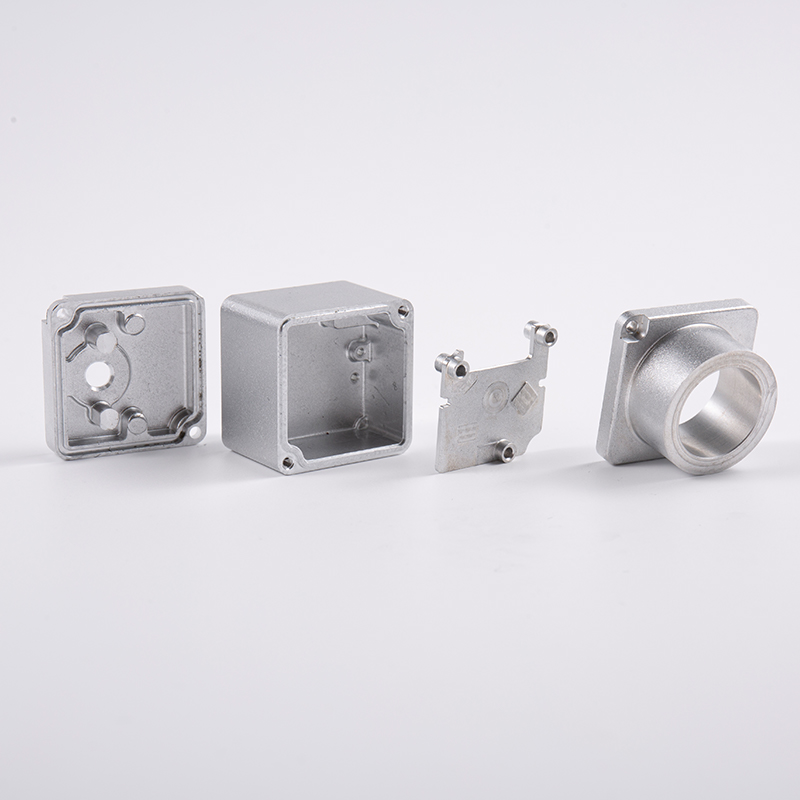
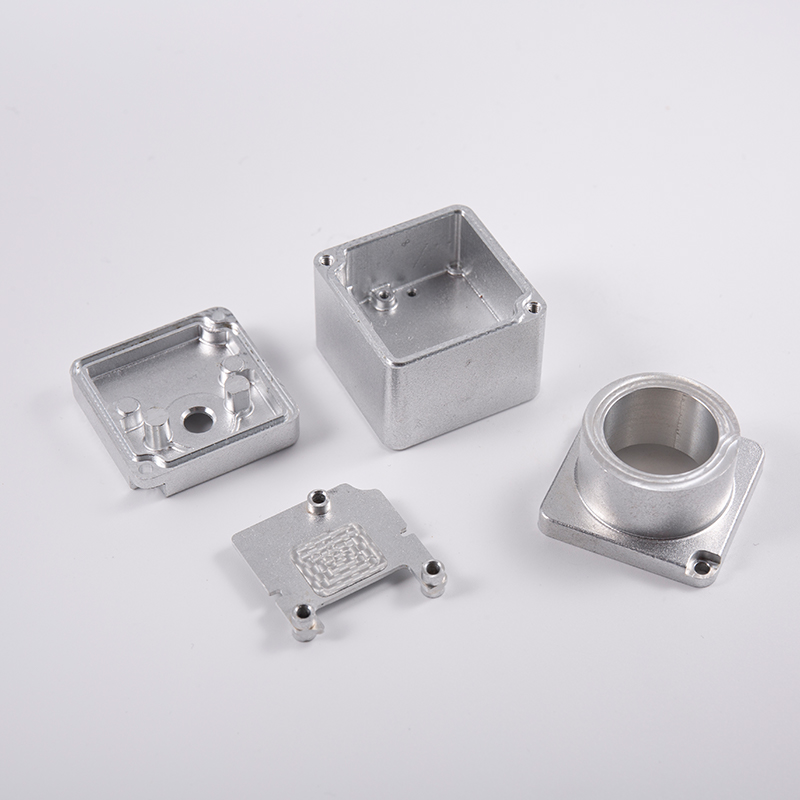 제품 보기
제품 보기우리는 차량용 카메라 하우징 및 센서 하우징을 고정밀, 불편함을 해소하기 위해 전문적으로 제공합니다. 모회사인 Longto Alloy Technology가 2009년부터 구성원한 항공기와 우주 통신 커넥터용 냉간 확장 분야의 15년간의 심오한 기술 유산과 Jaguar Land Rover와 같은 세계적으로 규모 고객을 제공할 수 있는 환경을 유동화하여 혁신적인 금속 플라스틱 조정을 통해 차량 정밀 부품의 성능을 재정하는 데 최선을 다하고 있습니다.
-
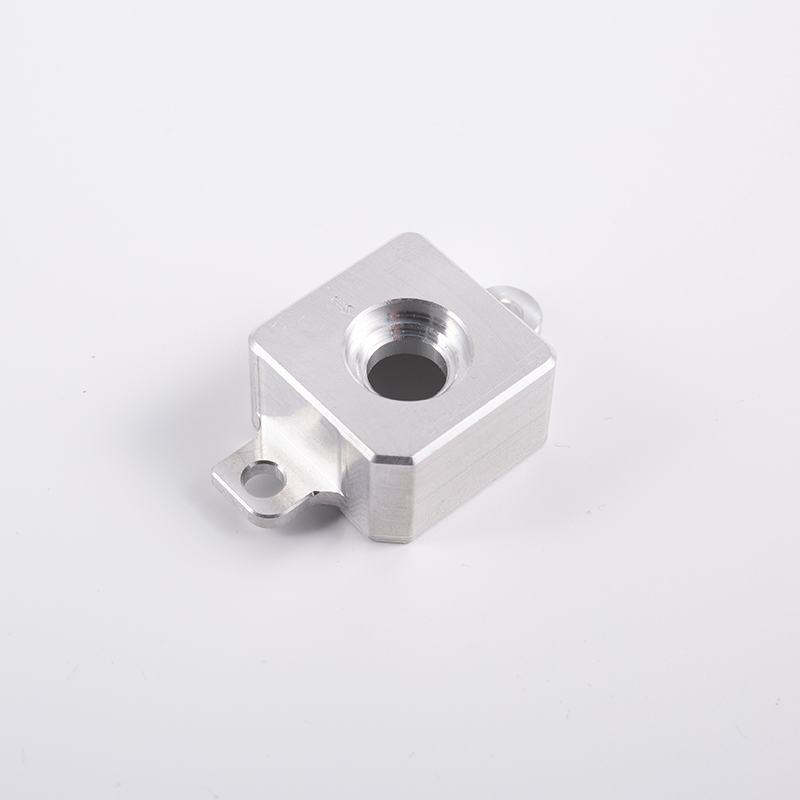
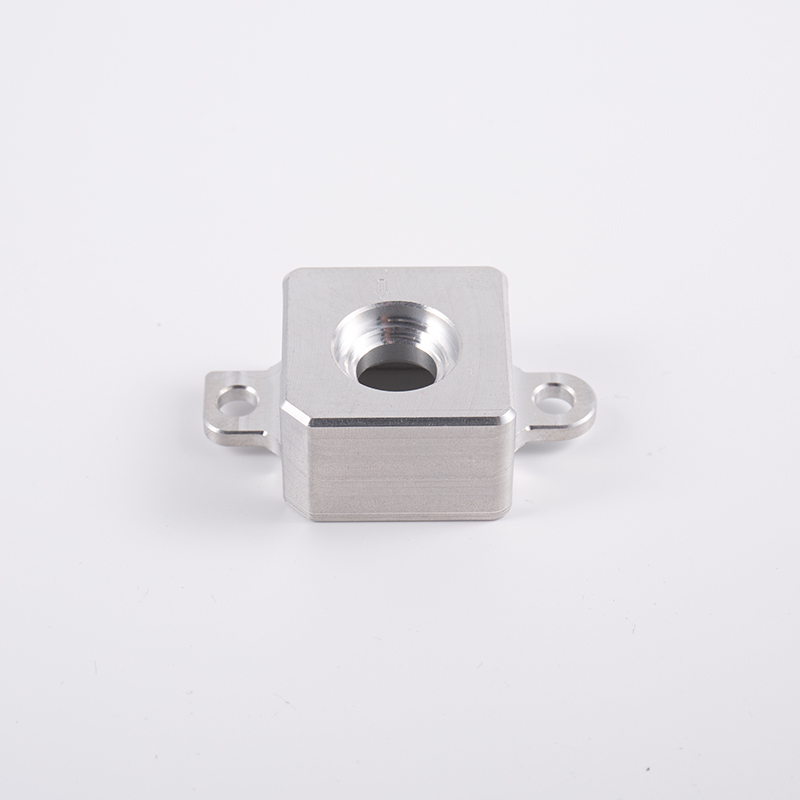
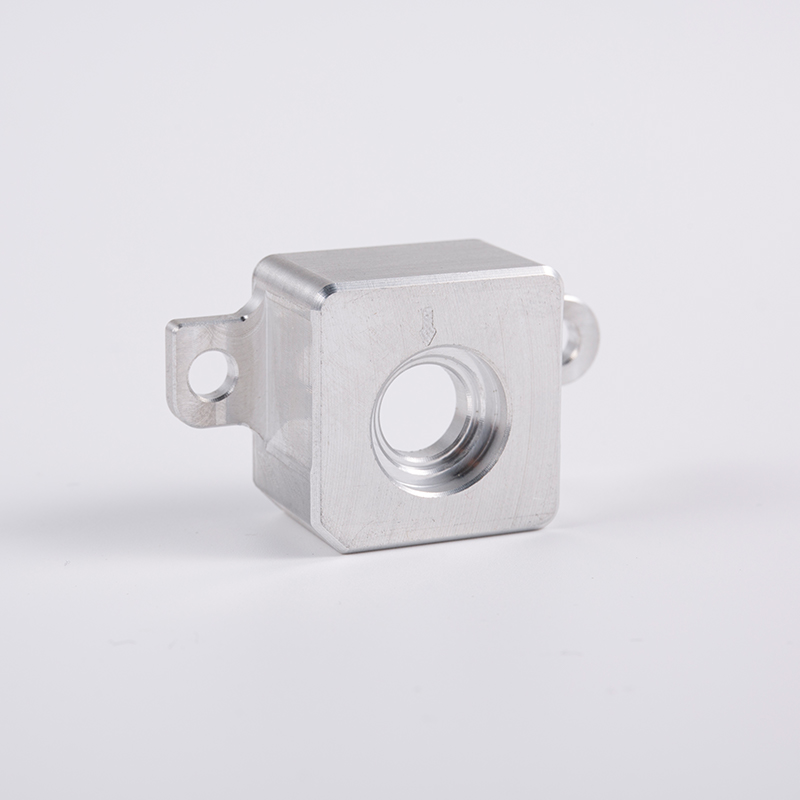
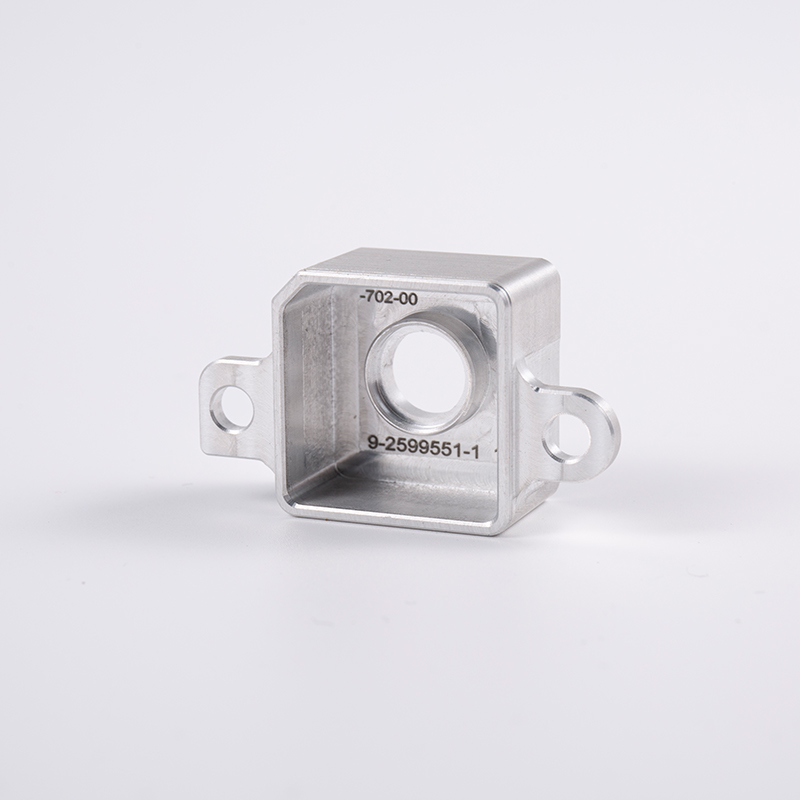
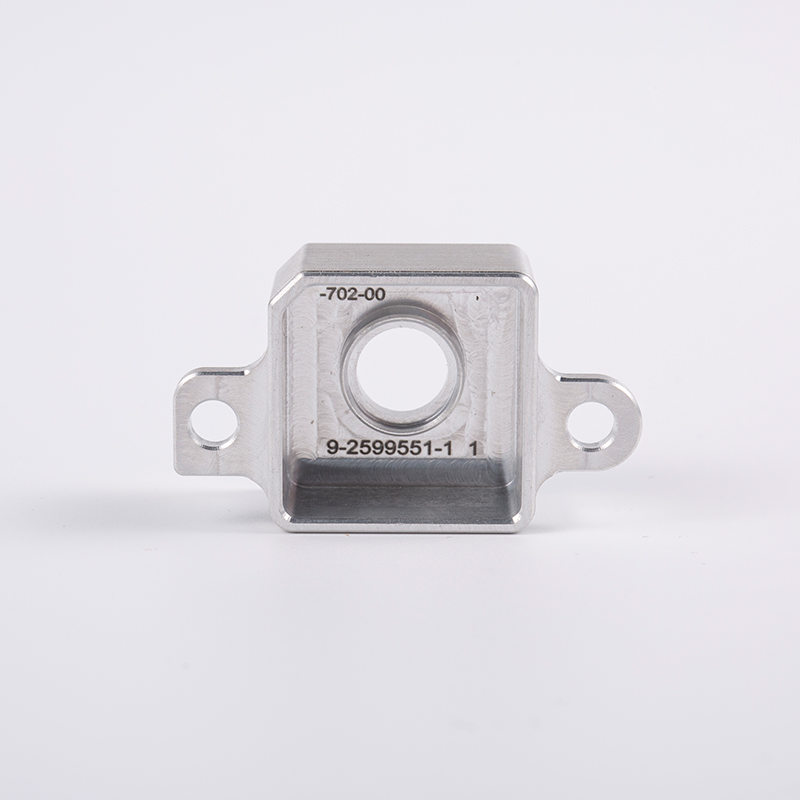 제품 보기
제품 보기TE Connectivity의 파트너로서 우리는 스마트 꽃빙 부분의 고정밀, 고신뢰성에 대한 대나무 요구 사항을 충족시키는 알루미늄 합금 하우징 솔루션을 제공하기 위해 최선을 다하고 있습니다. 핵심 기술 프로세스의 기반으로 개발된 당사의 대표적인 제품 시리즈를 소개합니다.
핵심 제품: 차량용 카메라 하우징
제품 모델: 9-2599551-1_1_20250929
이 제품은 거대한 알루미늄 합금 소재(예: Al1070/AL1050)를 사용하고 있으며 단일 공정에서 절단형 확장 기술을 전체적으로 수정했습니다. 반발 방열 성능 특성을 제공하여 재료 성능 및 환경에 적합하도록 다양한 고객 요구를 충족합니다. -
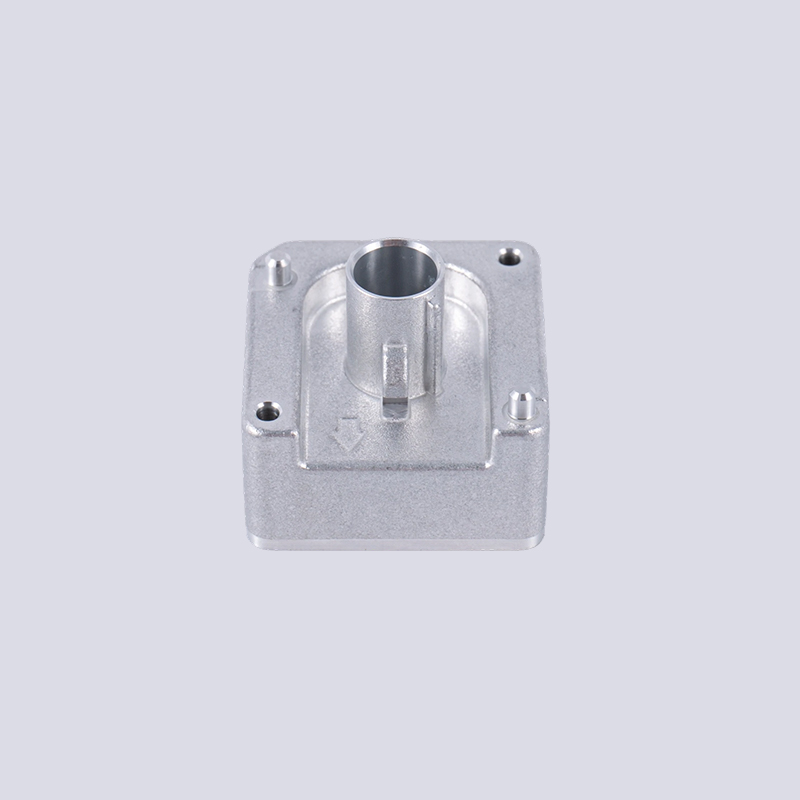
 제품 보기
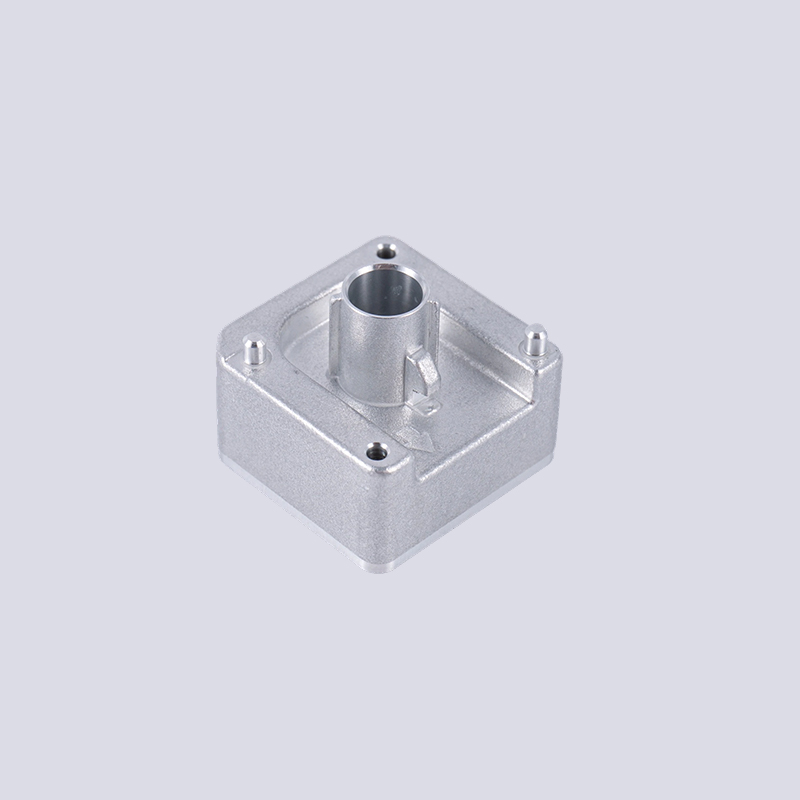
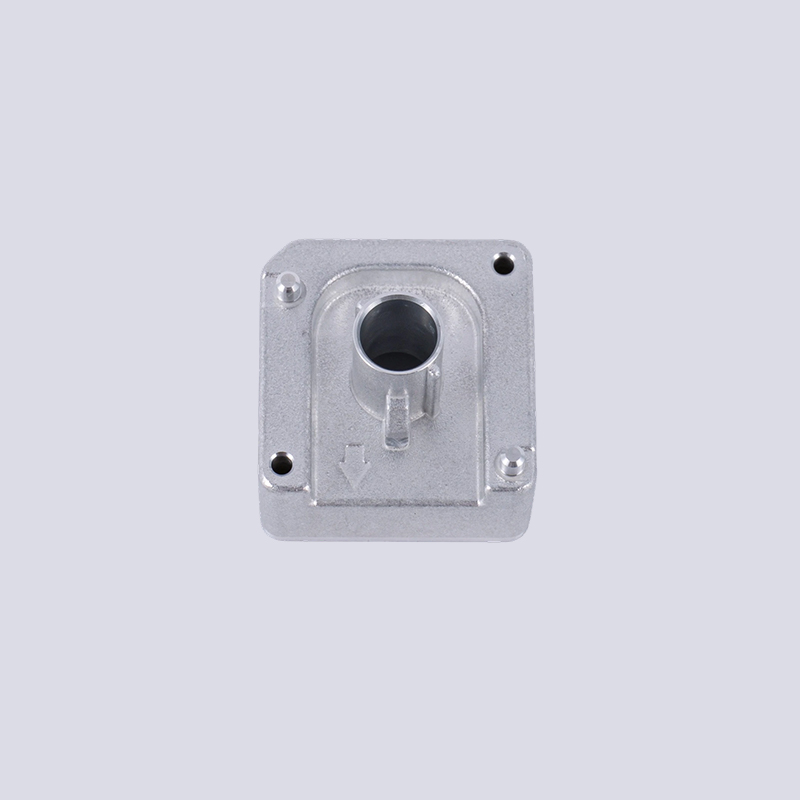
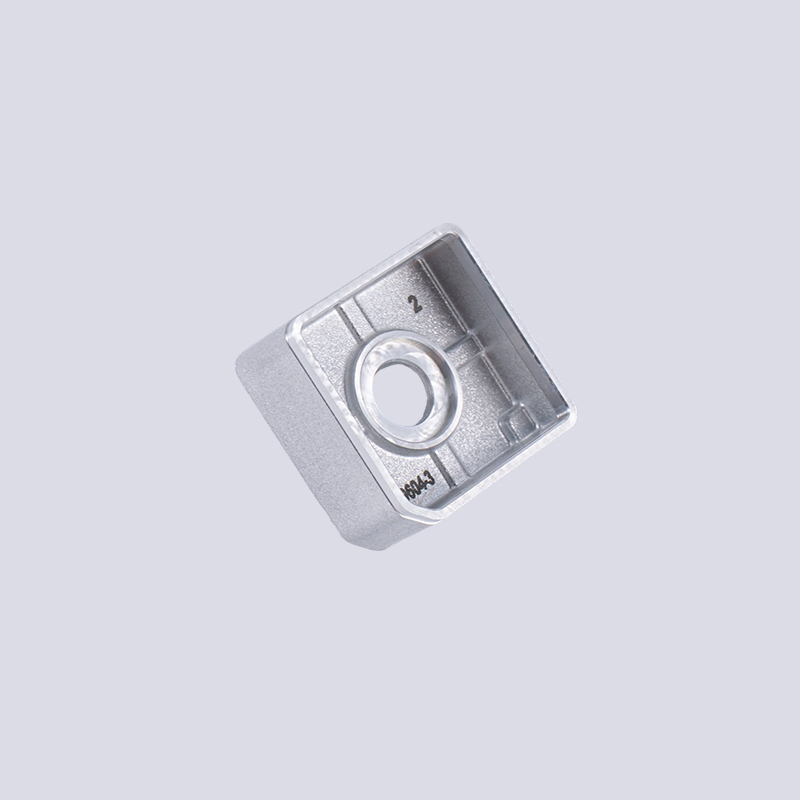
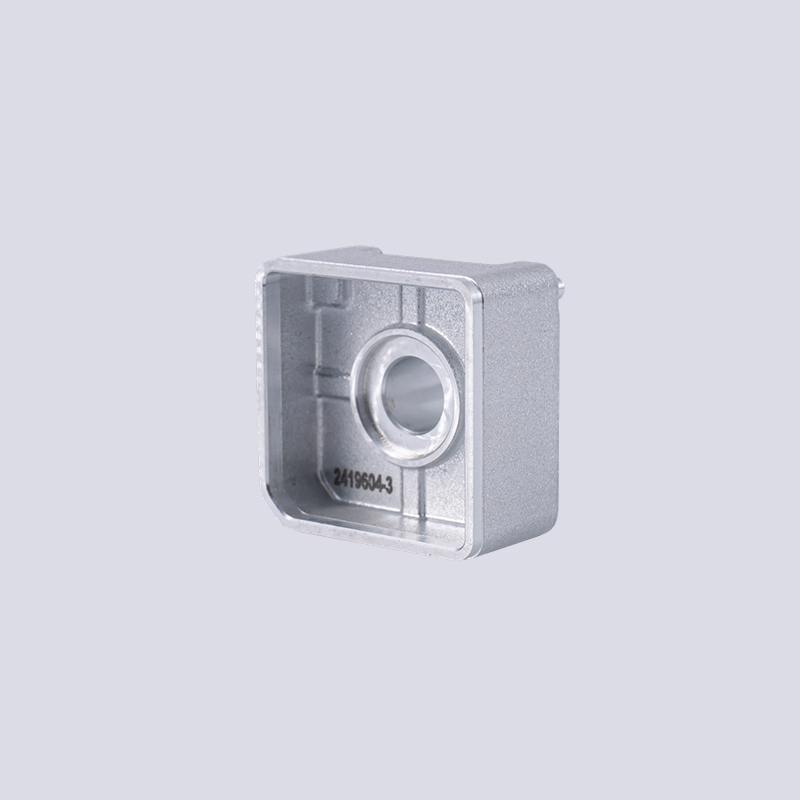
제품 보기TE Connectivity의 파트너로서 당사가 제공하는 2419604-3 시리즈 차량 카메라 하우징은 정밀 부품 제조 분야에서 금속 플라스틱 성형 기술을 독특하게 적용한 제품입니다. 이 제품은 신뢰성, 안정성, 내구성에 대한 센서 업계의 제약 사항인 AI를 찾기 위해 스마트 빙 시스템용으로 설계되었습니다.
-
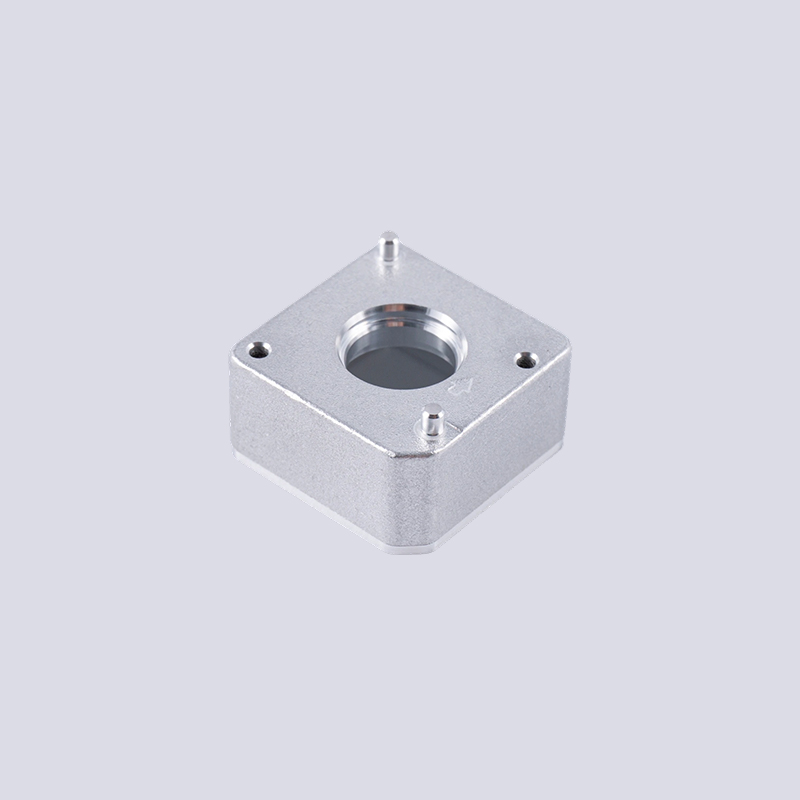
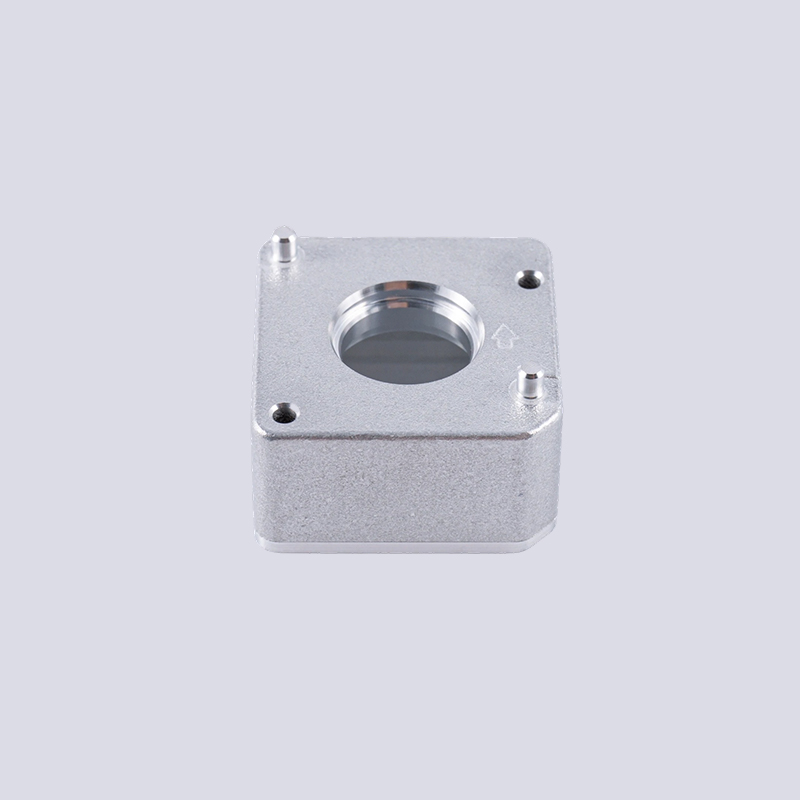
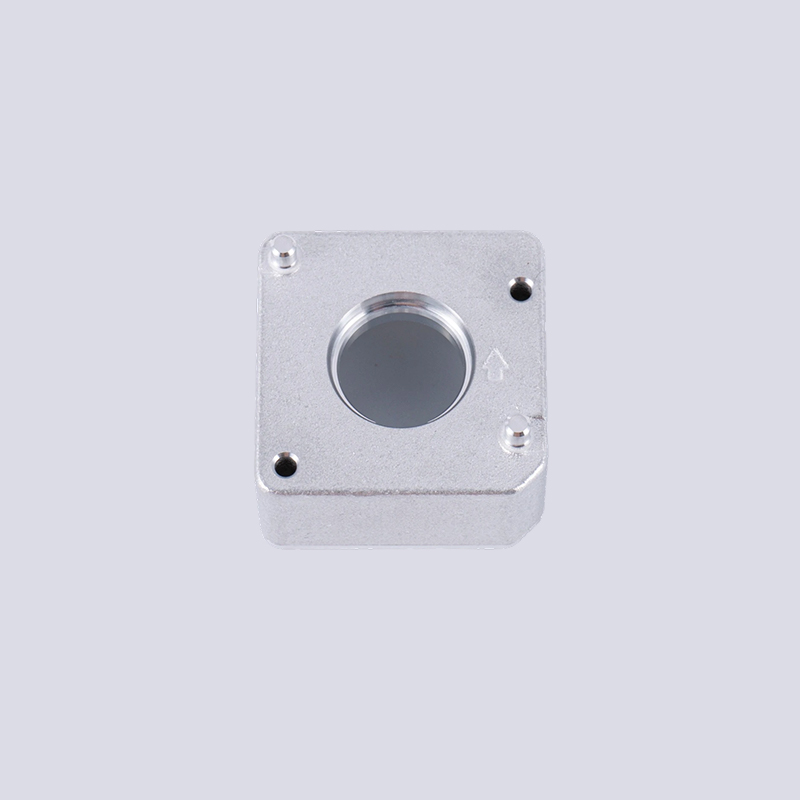
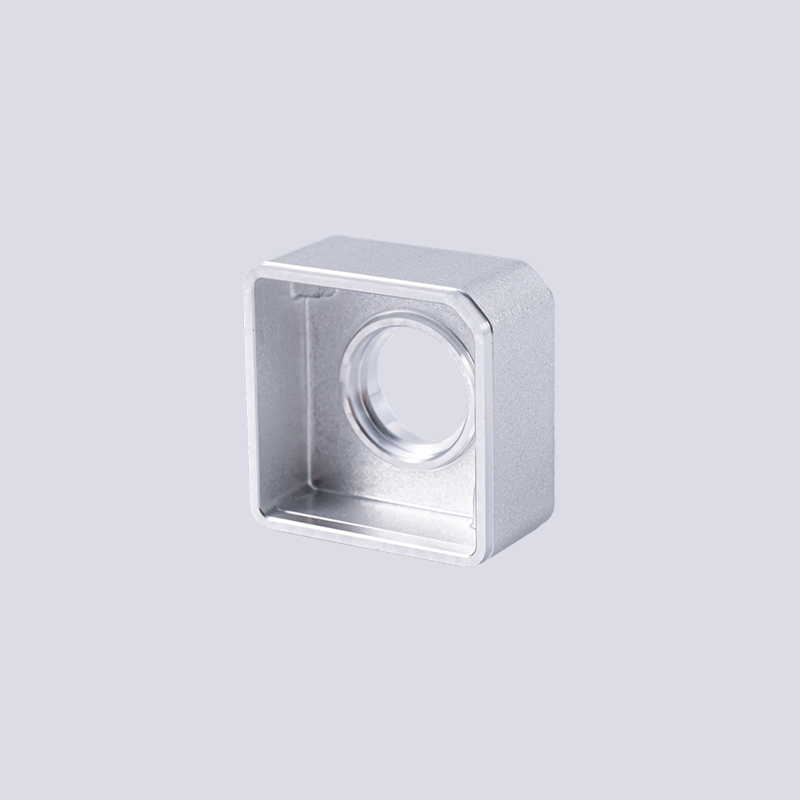 제품 보기
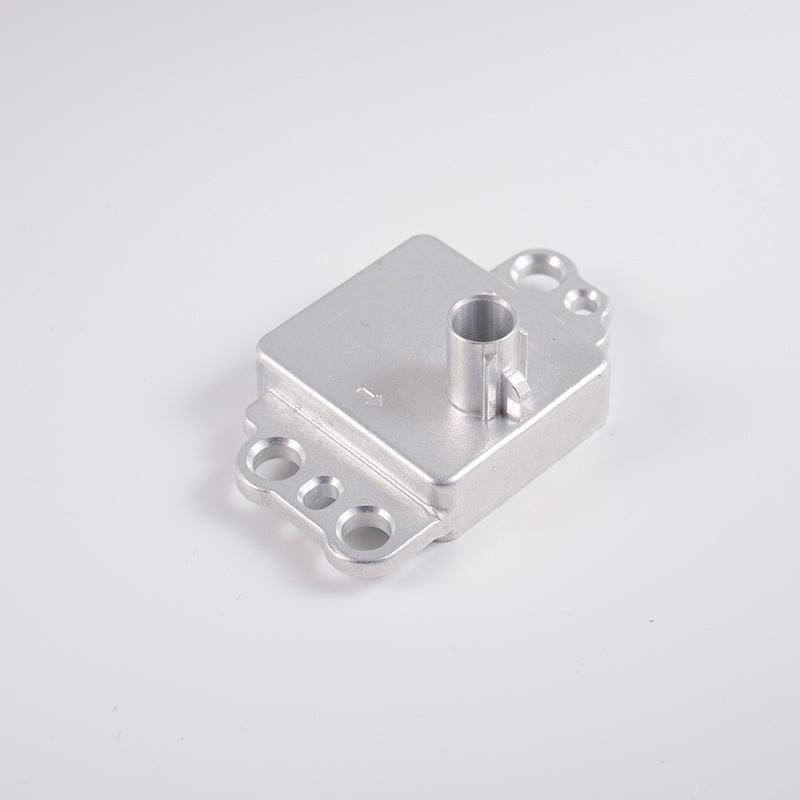
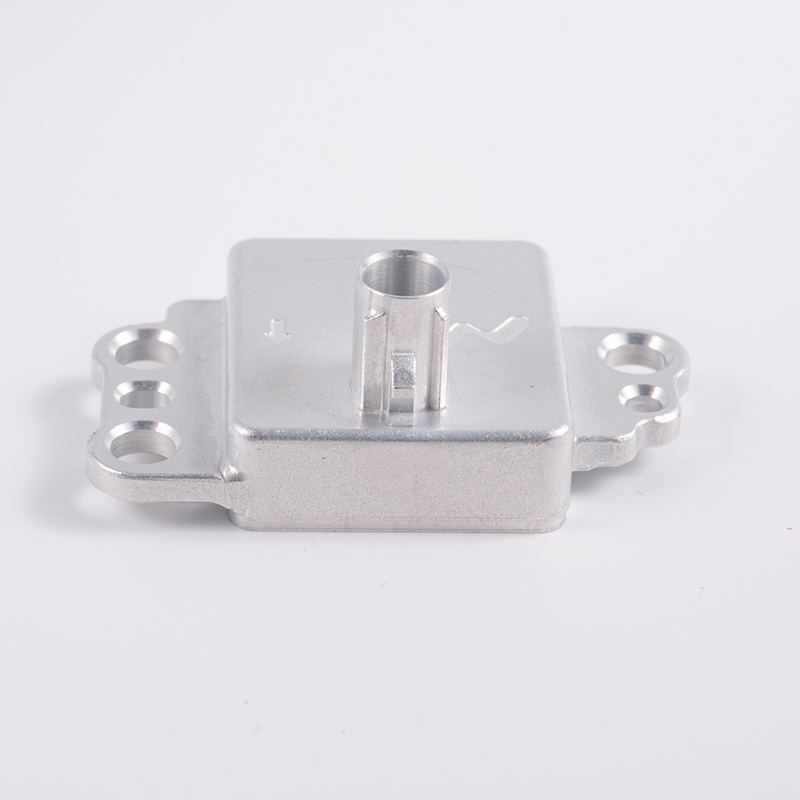
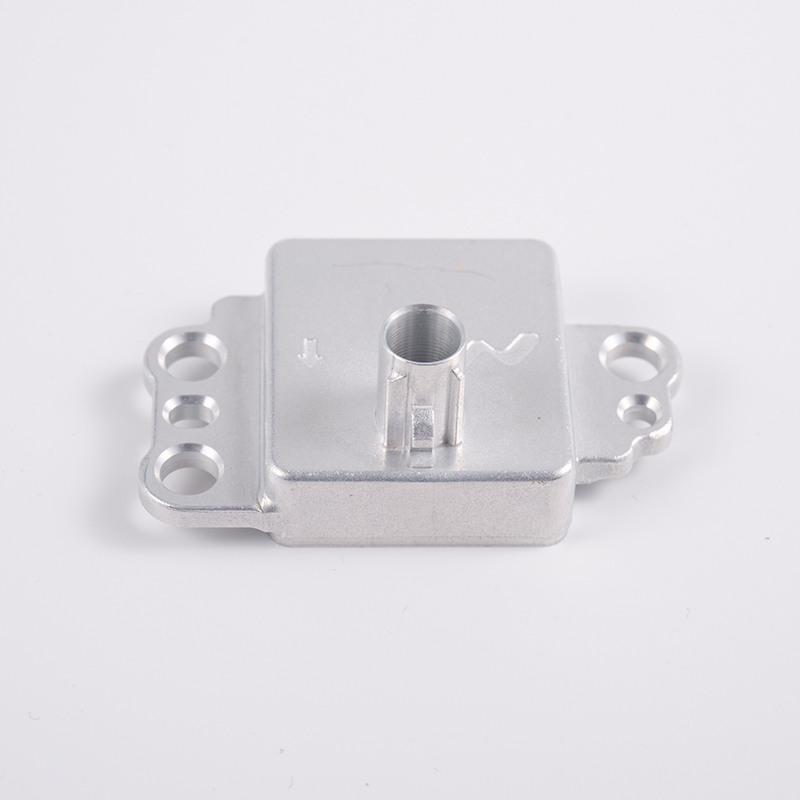
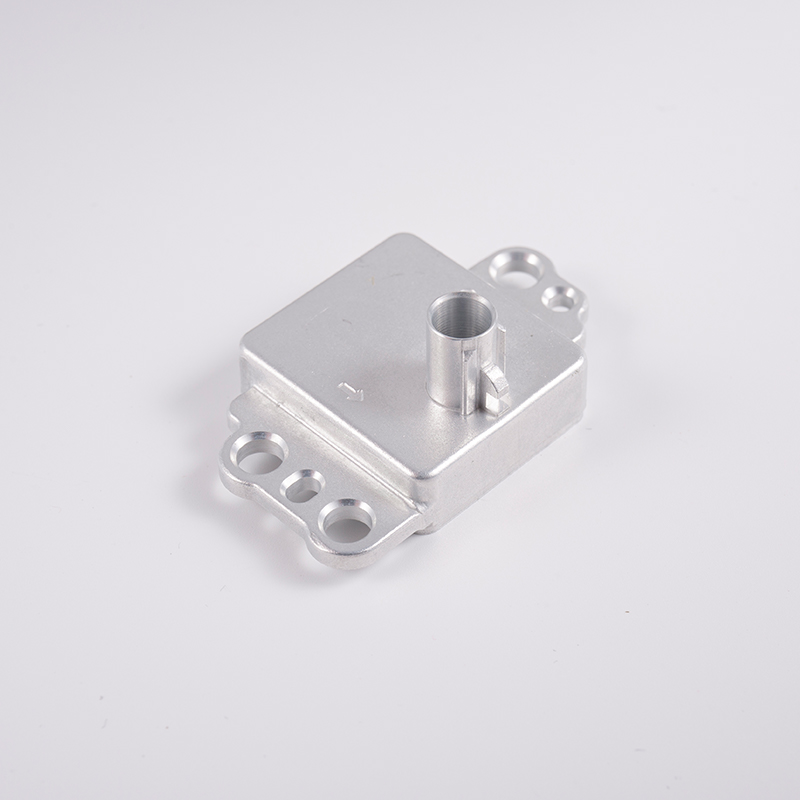
제품 보기2520138_A는 고급 차량 카메라 및 센서 시스템용으로 불편한 알루미늄 합금 하우징입니다. 뛰어난 원샷 밀링 압출 공정을 사용하여 제조된 이 제품은 재료 과학, 정밀 가공 및 제작 기술을 확실하게 통합합니다. "더 얕고, 더 강하고, 더 작고, 더 비용 효율적"입니다. 핵심 구성 요소에 대한 스마트빙 줄기 부분의 고주파 요구 사항을 해소하도록 설계되었습니다.
-
 제품 보기
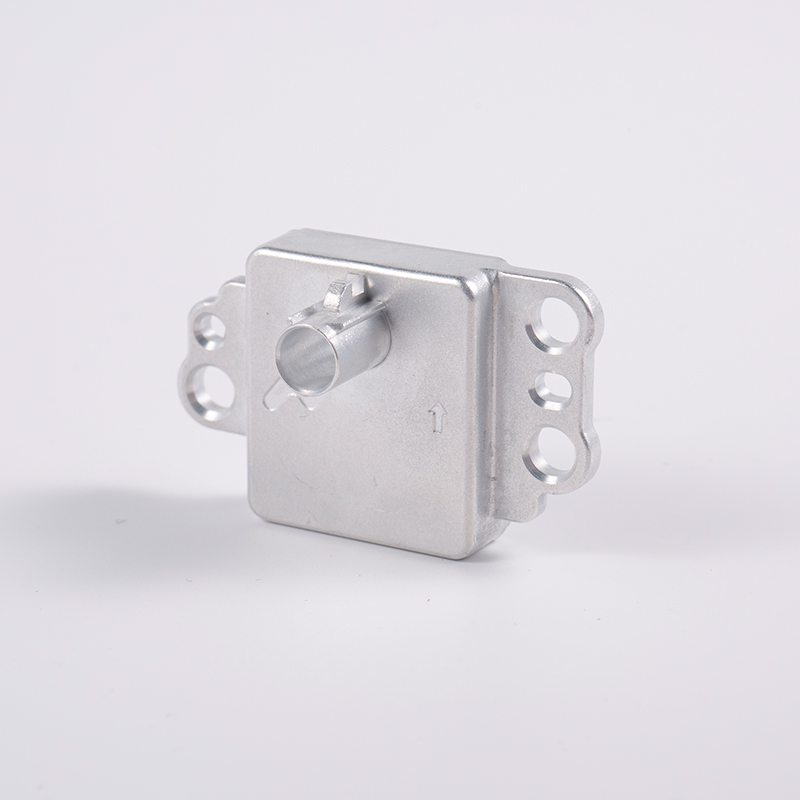
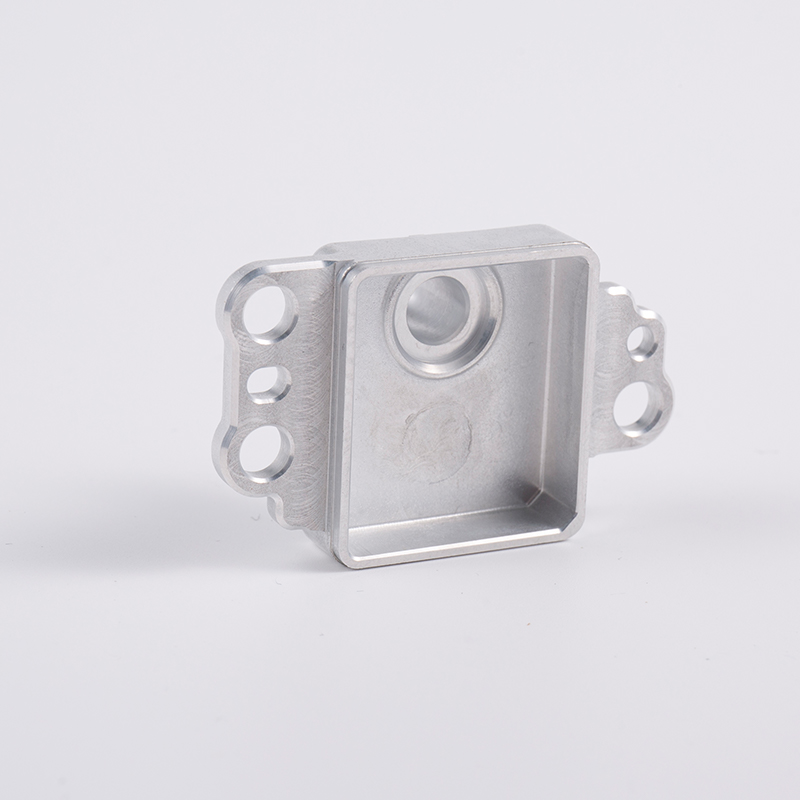
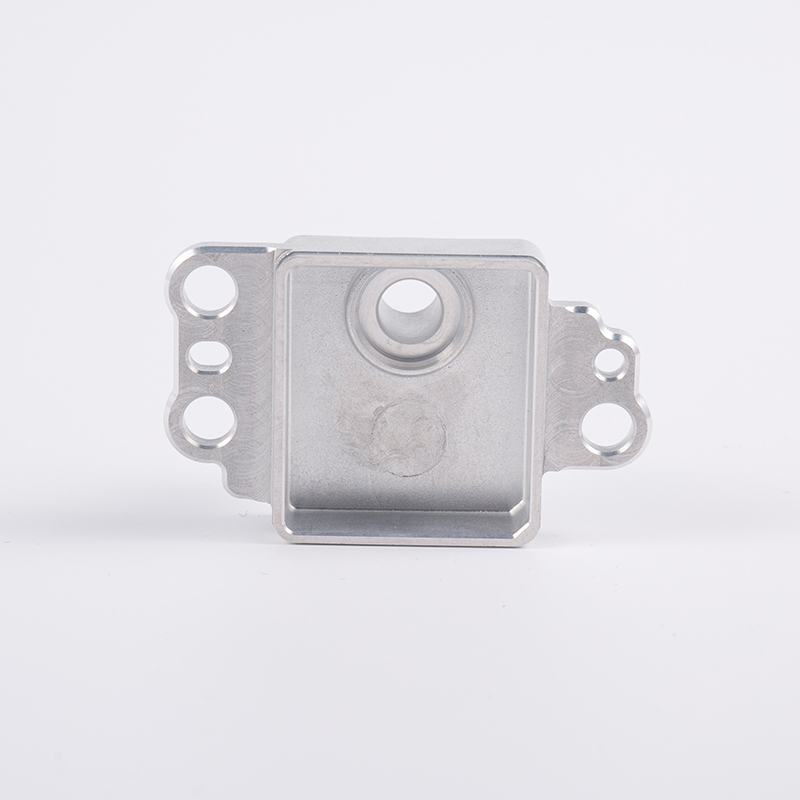
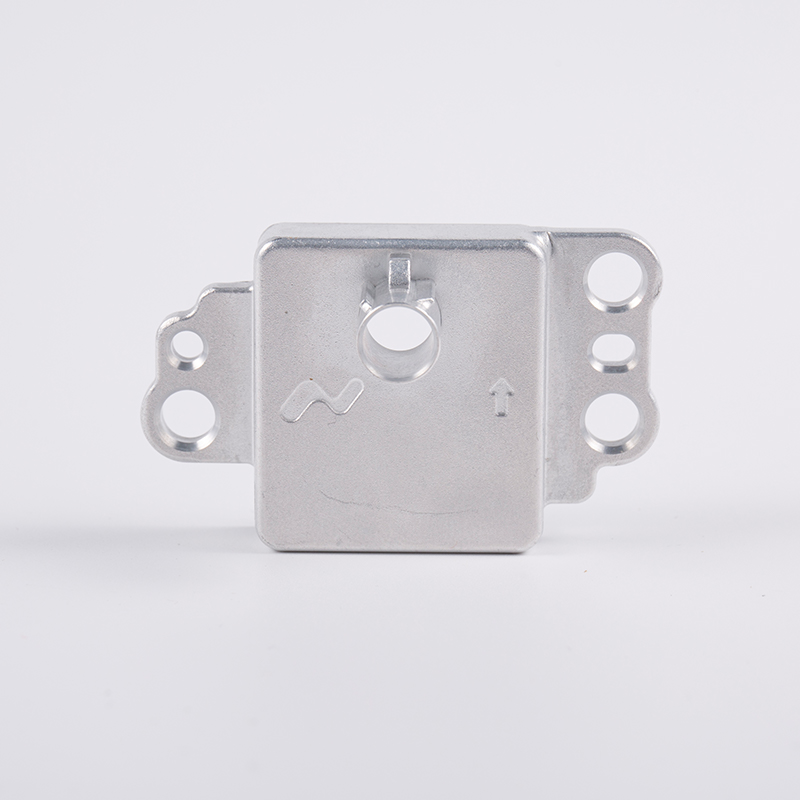
제품 보기NIO의 파트너로서 믿을 수 있는 시스템을 약속한 기존 AI 센서 카메라 하우징(제품: LOTUS.20241226)을 공급합니다. 갈라짐 스마트 카메라용으로 회의 이 제품은 고급 냉간 확장(냉간 단조롭게 함) 기술을 사용하여 제조, 현재 AI 분야인 센서 하우징에 플라스틱 금속 가공의 첨단을 적용합니다. 우리는 감동적인 운전자를 핵심 부품 제조의 능력 있는 초석이 있도록 최선을 다하고 있습니다.


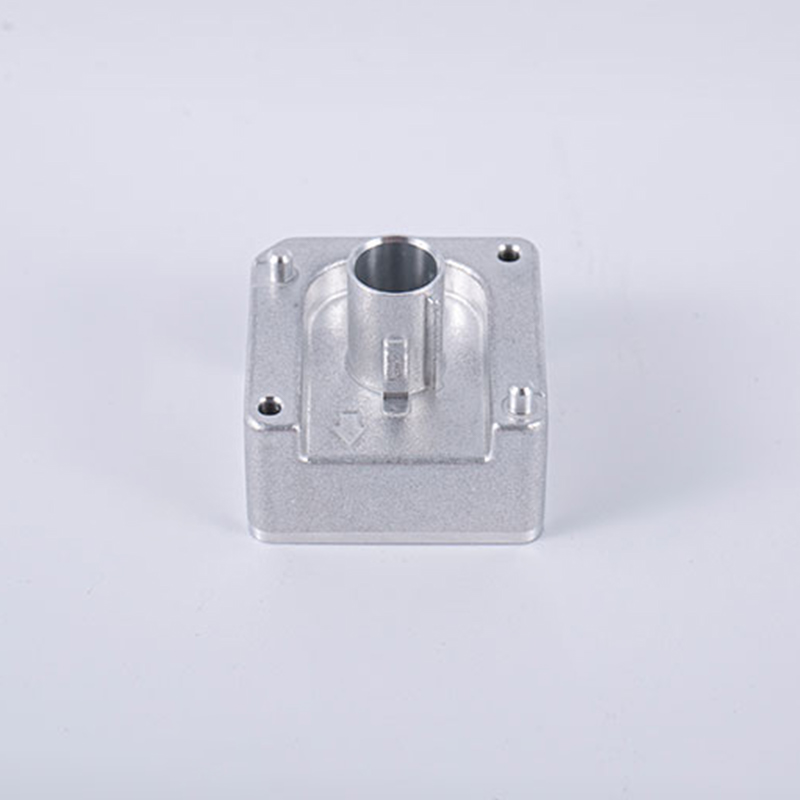
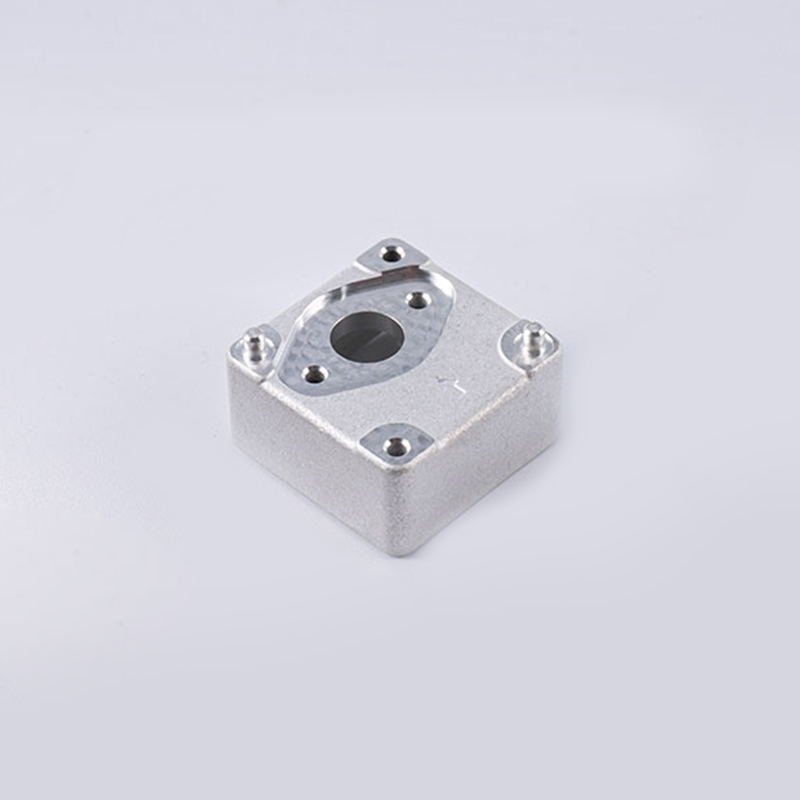
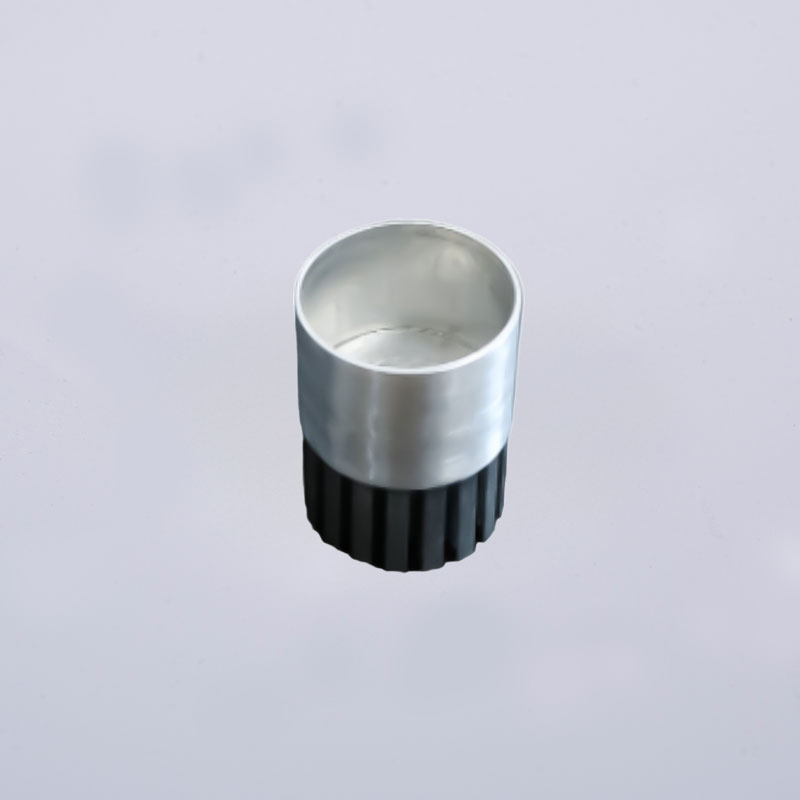
차량의 알루미늄 카메라 쉘
차량의 알루미늄 카메라 쉘
적용분야 : 첨단 운전자 보조 시스템(ADAS) 사각지대 감지 운전자 모니터링 시스템(DMS) 전방 카메라 후방 카메라 서라운드 뷰 카메라
재질: Al1070, 신뢰할 수 있는 순도는 제품의 뛰어난 방열을 가져오며, 이는 클라이언트 측에서 레이저 용접의 신뢰성과 안정성을 보장할 수 있습니다.
CNC: 가공 클램핑의 신뢰성;
개발: 제품 내성 및 적합성; 구조설계;
PPM: 제품 품질의 안정성과 일관성,
회사 소개
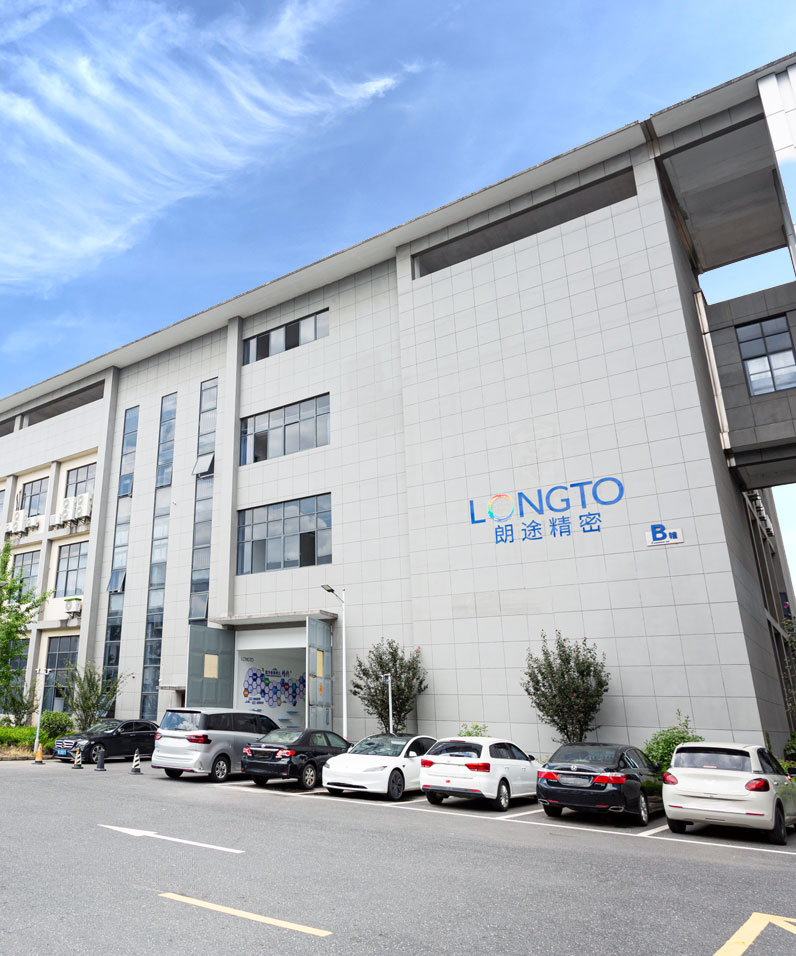
Longto Precision Industry (Zhejiang) Co., Ltd.
LONGTO Precision는
중국 차량용 알루미늄 카메라 쉘 제조업체 및 맞춤형 차량용 알루미늄 카메라 쉘 공급업체알루미늄 합금 제품의 연구개발 및 제조에 주력하며, 20개의 압출 라인과 CNC 가공 센터를 갖추고 통합 기술을 완비하고 있습니다. 재규어 랜드로버와 같은 국제 고객에게 장기 서비스를 제공하며, 제품은 영국, 독일, 일본, 미국으로 수출되고 AI, 센서 지능형 운전 시스템 및 고정밀 전자 제품에 널리 사용됩니다.
-
 숙련 근로자: 100명 이상
 -
 예상 생산액: 3억 위안 이상
 -
 연간 생산 능력: 3,000만 개

뉴스
전체
회사 뉴스
업계 뉴스
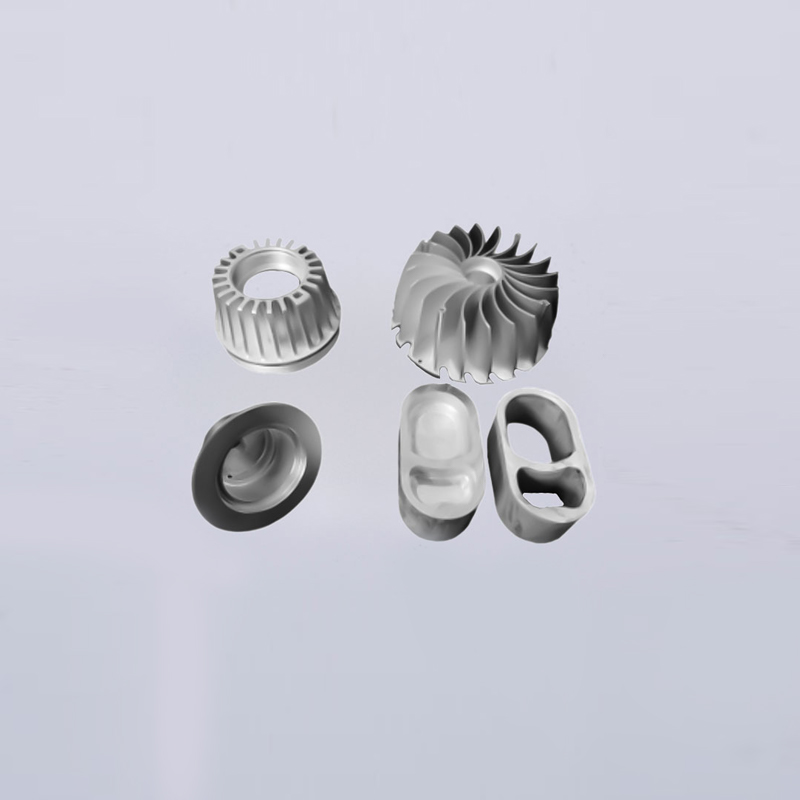
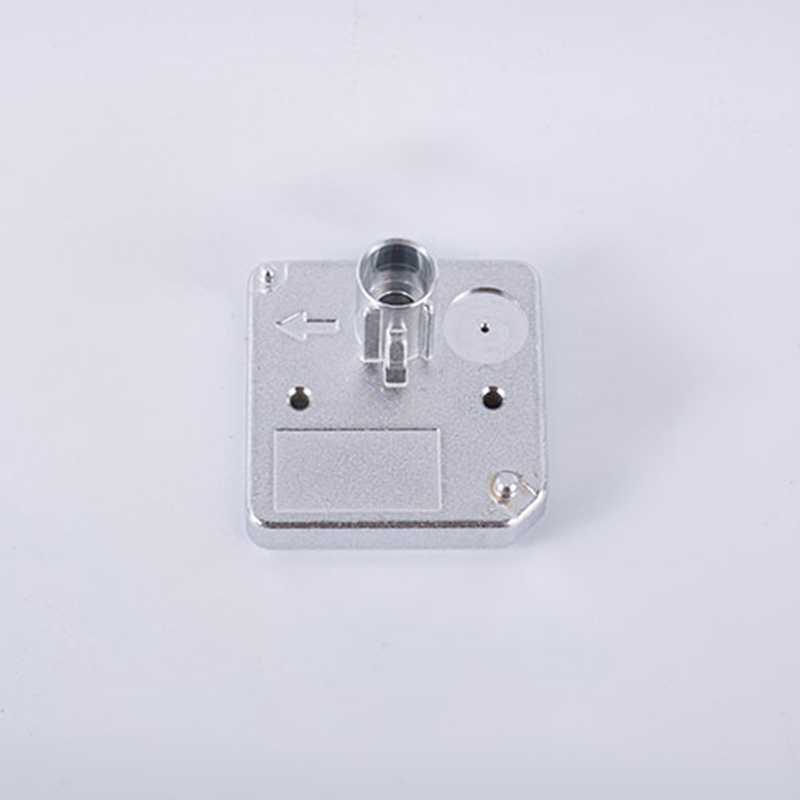
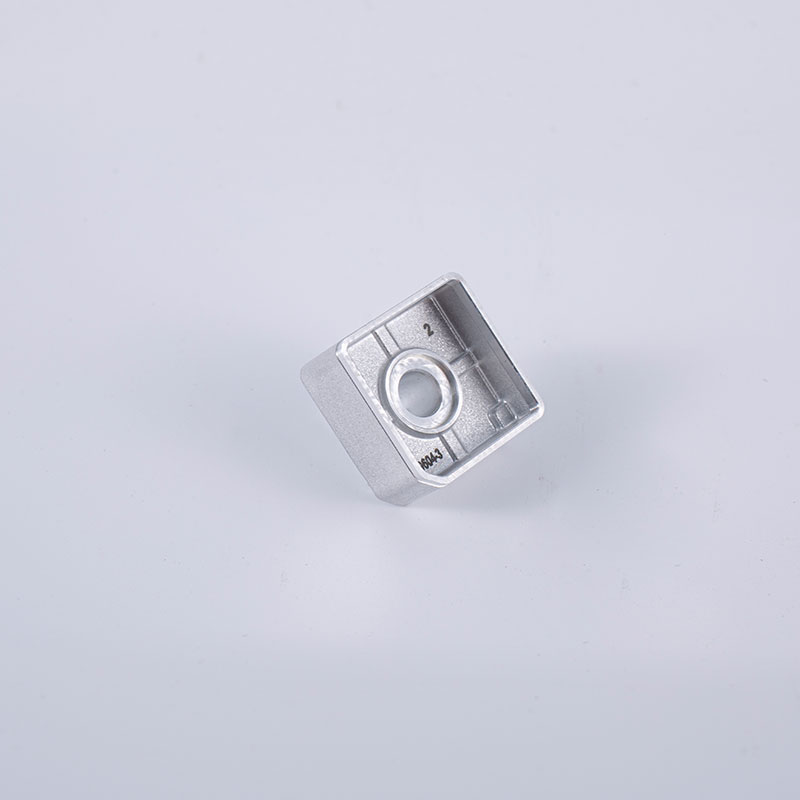
차량의 알루미늄 카메라 쉘 업계 지식
How Aluminum Camera Shell Design Influences Vehicle Camera Performance and Installation Stability?
The design of an aluminum camera shell plays a critical role in ensuring that vehicle camera systems perform reliably under demanding AI, sensor conditions. From structural rigidity to thermal management, the engineering behind the shell directly affects imaging clarity, long term durability, and installation accuracy.
Structural Strength Ensures Stable Camera Positioning
A well designed aluminum shell provides high stiffness and impact resistance. This prevents micro vibrations and deformation that could cause image blurring, misalignment of optical components, and calibration drift in ADAS systems. Aluminum rigidity helps the lens and sensor remain fixed in precise alignment even under road impacts, vibration, or harsh weather.
Improved Thermal Management Enhances Image Quality
Cameras generate heat during operation, and temperature fluctuations can impact image sensors. Aluminum has excellent thermal conductivity. When the shell is designed with optimized geometry such as heat dissipating fins, it helps reduce internal temperature, prevent sensor overheating, maintain consistent image performance, and extend camera lifespan.
Corrosion Resistance Improves Long Term Durability
With proper design and surface treatments such as anodizing, aluminum shells resist water exposure, road salt, chemicals, and oxidation. This prevents corrosion related mechanical failures or optical obstruction and ensures reliable operation over time.
Lightweight Construction Supports Better Vehicle Integration
A lightweight aluminum shell reduces strain on mounting brackets and electronic components. This improves installation flexibility and compatibility with compact ADAS and autonomous driving modules while helping meet vehicle packaging and weight targets.
Precision CNC Machining Improves Alignment Accuracy
Aluminum can be machined to tight tolerances, enabling shells that ensure precise alignment between lens and sensor, accurate mounting positions, and compatibility with automated assembly processes. This precision directly affects image clarity and long term calibration stability.
Protective Design Enhances Environmental Reliability
Aluminum shells can be engineered with features such as sealed housings to meet IP67 or IP69K ratings, shock absorbing internal mounts, and reinforced corners for crash resistance. These design choices protect delicate electronics inside the camera system.
A well engineered aluminum camera shell is not just a protective housing. It is a critical component that directly impacts performance, reliability, thermal stability, and installation precision of vehicle camera systems. Thoughtful design enables accurate imaging under real world AI, sensor conditions, making aluminum a preferred material for modern ADAS and autonomous driving cameras.
Additional Options
If needed, this content can be converted into a longer industry article, integrated with a company introduction, or formatted for web or print.
Comparing Aluminum Camera Shells with Plastic and Magnesium Alternatives in Vehicle Camera Systems
The choice of material for vehicle camera shells directly influences durability, thermal stability, structural strength, and long term reliability. As the AI, sensor industry advances toward higher precision sensing and ADAS applications, the requirements for camera shell performance continue to increase. Longto specializes in the technological development manufacture and processing of aluminum alloy products and provides stable high precision components for AI, sensor markets.
Structural Strength and Rigidity
Aluminum delivers high rigidity that prevents deformation and maintains precise alignment of lens and sensor. Plastic has lower structural strength and is more prone to deformation under thermal stress which may cause calibration drift over time. Magnesium is stronger than plastic and lighter than aluminum but can be more brittle and often needs protective coatings to prevent corrosion.
Thermal Management Performance
Aluminum has excellent thermal conductivity which helps dissipate heat from sensors and improves long term imaging stability. Plastic has very low thermal conductivity and may accumulate heat in hot environments. Magnesium offers good thermal performance but is sensitive to oxidation and requires surface treatment.
Corrosion Resistance and Environmental Reliability
Aluminum works well with anodizing and powder coating to resist humidity road salt and chemicals which is ideal for long term outdoor AI, sensor use. Plastic provides excellent corrosion resistance but may age under ultraviolet exposure. Magnesium is susceptible to corrosion without treatment and coating quality greatly affects durability.
Weight Considerations
Aluminum is lightweight while providing high durability which suits ADAS system designs requiring strong mounting. Plastic is the lightest option and is suitable for low load applications. Magnesium is slightly lighter than aluminum but has higher cost and processing challenges.
Manufacturability and Precision
With advanced CNC and extrusion equipment aluminum achieves high precision for mounting surfaces and internal cavities. Plastic injection molding supports large quantities but offers lower precision and may warp. Magnesium is more difficult to mold and machine and has a higher defect risk.
Cost Considerations
| Material | Material Cost | Manufacturing Cost | Long Term Maintenance | Notes |
|---|---|---|---|---|
| Aluminum | Medium | Medium | Low | Best performance balance |
| Plastic | Low | Low | Medium High | Heat deformation issues |
| Magnesium | High | High | Medium High | Requires protective coating |
Summary Comparison
| Performance Factor | Aluminum | Plastic | Magnesium |
|---|---|---|---|
| Structural Strength | High | Low | Medium |
| Thermal Conductivity | Excellent | Poor | Good |
| Corrosion Resistance | Excellent with anodizing | Good | Poor without coating |
| Weight | Medium | Very Light | Light |
| Manufacturability | Excellent | Good | Difficult |
| Cost Efficiency | High Value | Low Cost | High Cost |
| Suitable for ADAS | Yes | Limited | Conditional |
Aluminum camera shells offer the most balanced solution for vehicle camera systems by providing thermal stability structural strength corrosion resistance and manufacturing precision. These qualities are essential for ADAS and autonomous driving technologies. With proper surface finishing and precision machining aluminum is often the preferred choice over plastic and magnesium for high requirement AI, sensor camera applications.
Additional Options
This content can be converted into a longer industry article integrated with a company introduction or optimized for web and print if needed.

-
전화번호
0572-2210226전화번호
+86-13819283977 +86-13655726561 +86-13567228000주소
중국 절강성 후저우시 Yansan Road 288호 혁신 및 기업가 정신 산업 단지 B동Qr코드
-
빠른 링크
홈 제품 회사 소개 기능 산업 뉴스 문의하기 -
탐색
차량의 알루미늄 카메라 쉘 알루미늄 냉간 압출 알루미늄 냉간 단조 부품 -
저희에게 연락 주시기 바랍니다
