
-
 제품 보기
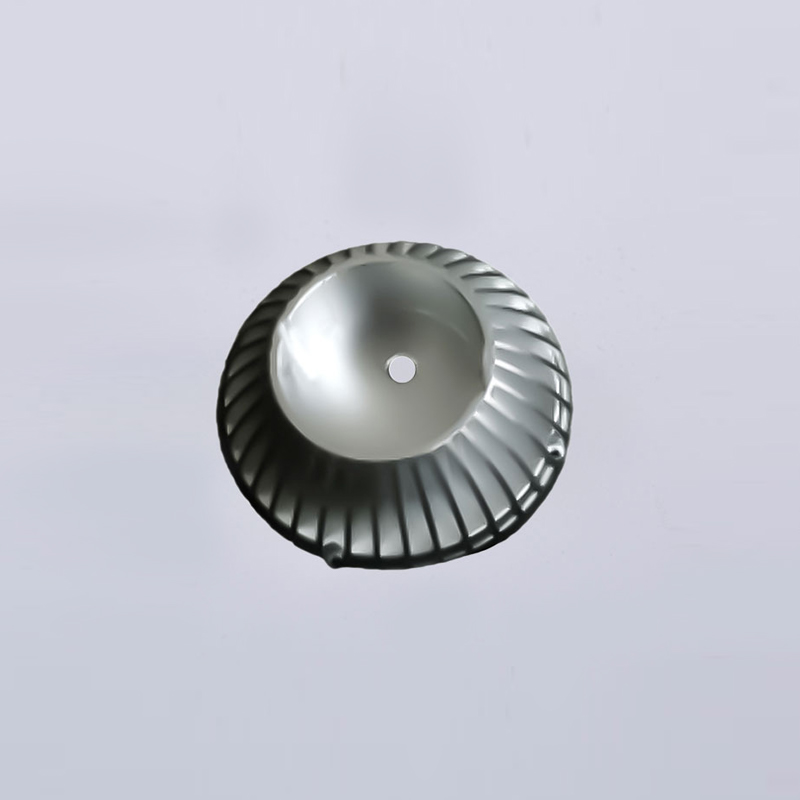
제품 보기전통 자동차 시장과 신에너지 자동차 시장의 급속한 성장으로 인해 당사는 알루미늄 자동차 부품을 주요 개발 방향으로 삼기로 결정했습니다. 올해 우리 가공 공장은 IATF16949 인증서를 받았습니다. 임팩트 빔, 범퍼, 차체 구조, 컨버터 브라켓 등 부품 생산에 있어 확실한 우위를 점하고 있으며, 영국 Jaguar & Land Rover에 꾸준한 공급을 하고 있습니다. 당사의 부품은 Jaguar XE, XF, F-Pace, I-Pace에 사용됩니다. 한편, 중국 유명 기업들과 함께 신에너지 자동차인 AI와 SENSOR에 대한 신제품을 개발하고 있습니다.
-
 제품 보기
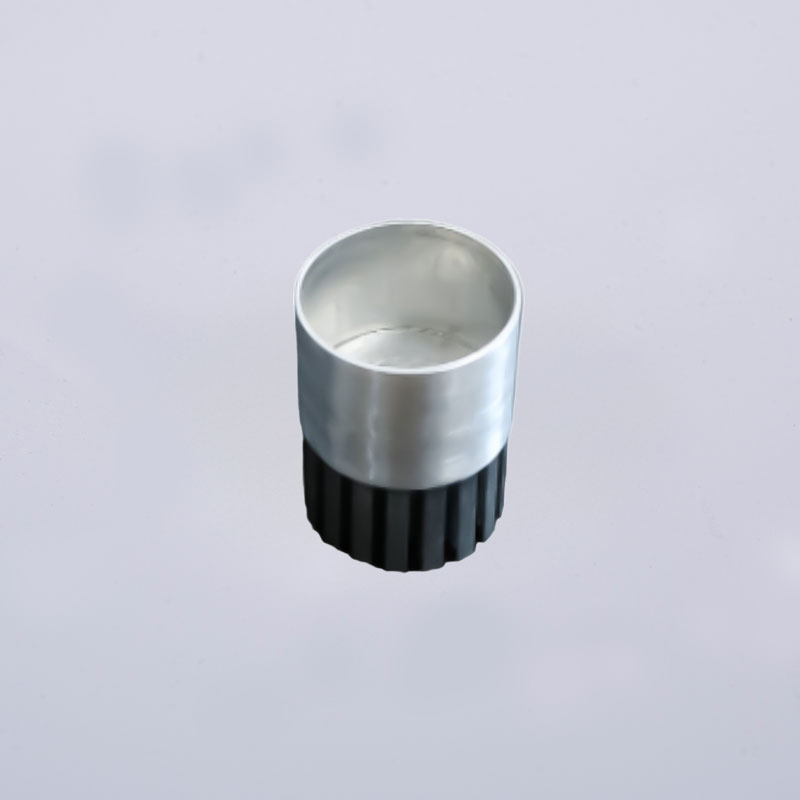
제품 보기전통 자동차 시장과 신에너지 자동차 시장의 급속한 성장으로 인해 당사는 알루미늄 자동차 부품을 주요 개발 방향으로 결정했습니다. 올해 우리 가공 공장은 IATF16949 인증서를 받았습니다. 임팩트 빔, 범퍼, 차체 구조 구조, 컨버터 브라켓 등 부품 생산에 있어 확실한 우위를 점하고 있으며, 영국 Jaguar & Land Rover에 꾸준한 공급을 하고 있습니다. 당사의 부품은 Jaguar XE, XF, F-Pace, I-Pace에 사용됩니다. 한편, 중국 유명 기업들과 함께 신에너지 자동차인 AI와 SENSOR에 대한 신제품을 개발하고 있습니다.
-
 제품 보기
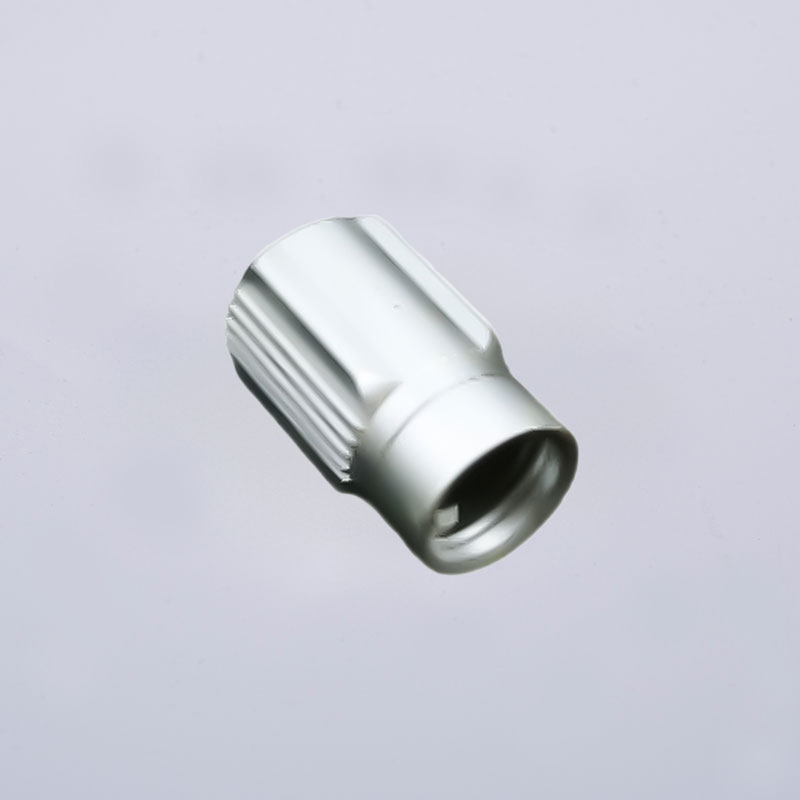
제품 보기전통 자동차 시장과 신에너지 자동차 시장의 급속한 성장으로 인해 당사는 알루미늄 자동차 부품을 주요 개발 방향으로 결정했습니다. 올해 우리 가공 공장은 IATF16949 인증서를 받았습니다. 임팩트 빔, 범퍼, 차체 구조 구조, 컨버터 브라켓 등 부품 생산에 있어 확실한 우위를 점하고 있으며, 영국 Jaguar & Land Rover에 꾸준한 공급을 하고 있습니다. 당사의 부품은 Jaguar XE, XF, F-Pace, I-Pace에 사용됩니다. 한편, 중국 유명 기업들과 함께 신에너지 자동차인 AI와 SENSOR에 대한 신제품을 개발하고 있습니다.
-
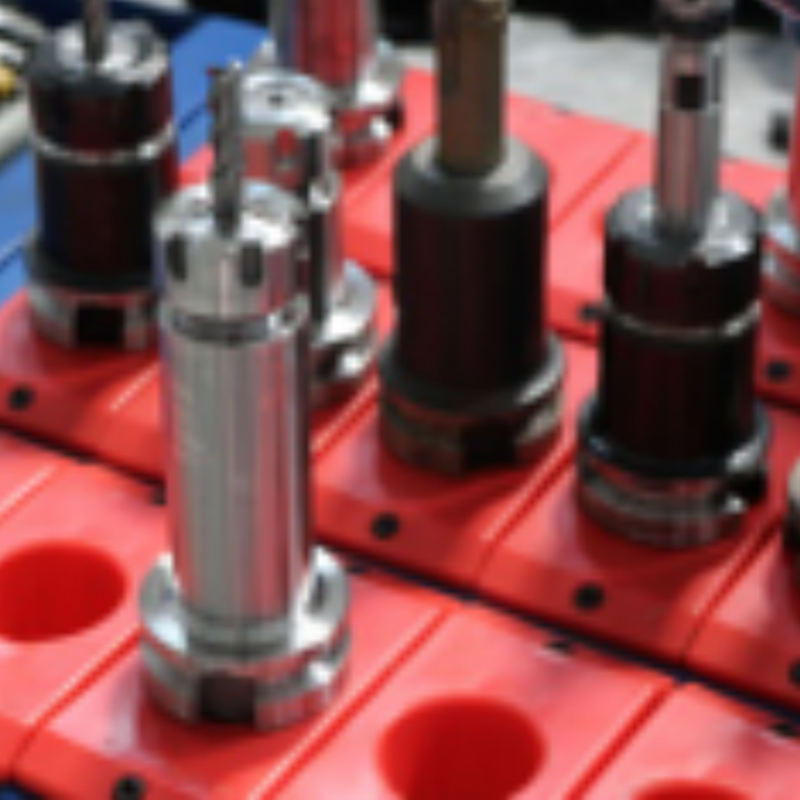 제품 보기
제품 보기전통 자동차 시장과 신에너지 자동차 시장의 급속한 성장으로 인해 당사는 알루미늄 자동차 부품을 주요 개발 방향으로 결정했습니다. 올해 우리 가공 공장은 IATF16949 인증서를 받았습니다. 임팩트 빔, 범퍼, 차체 구조 구조, 컨버터 브라켓 등 부품 생산에 있어 확실한 우위를 점하고 있으며, 영국 Jaguar & Land Rover에 꾸준한 공급을 하고 있습니다. 당사의 부품은 Jaguar XE, XF, F-Pace, I-Pace에 사용됩니다. 한편, 중국 유명 기업들과 함께 신에너지 자동차인 AI와 SENSOR에 대한 신제품을 개발하고 있습니다.


알루미늄 냉간 단조 부품
알루미늄 냉간 단조 부품
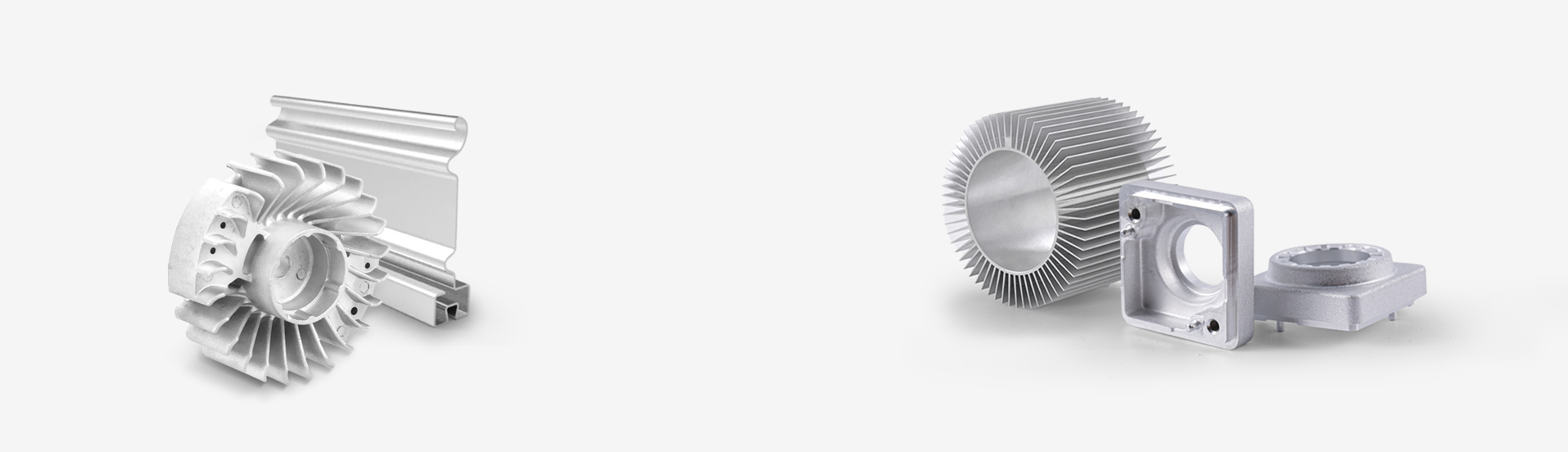
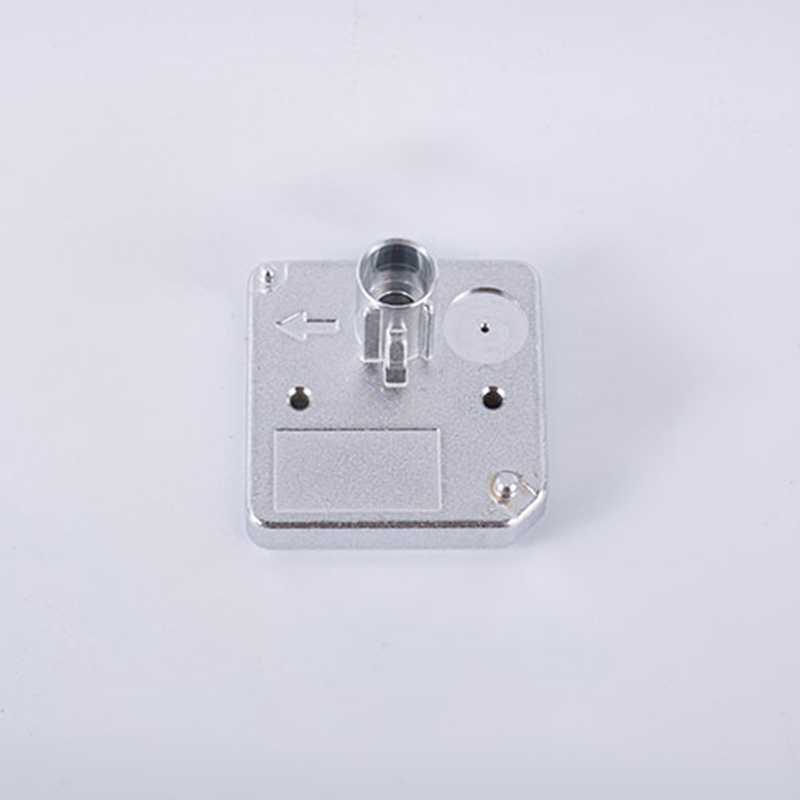
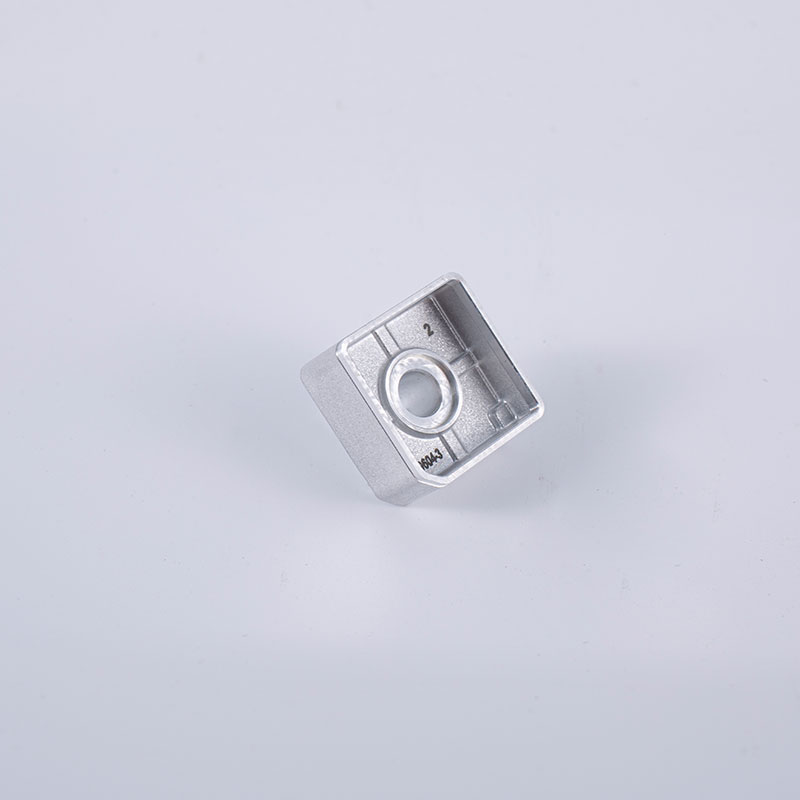
알루미늄 AI 및 센서 부품을 주력으로 IATF16949 인증을 받아 충돌방지빔, 차체 구조 부품 등을 생산하고, 재규어랜드로버를 다모델에 안정적으로 공급하는 동시에 국내 기업과 협력해 신에너지 AI 및 센서 개발도 진행하고 있다.
제품의 표면조도가 낮고, 변형강화 효과로 제품의 강도도 향상됩니다.

회사 소개
Longto Precision Industry (Zhejiang) Co., Ltd.
LONGTO Precision는
중국 알루미늄 냉간 단조 부품 제조업체 및 맞춤형 알루미늄 냉간 단조 부품 공급업체알루미늄 합금 제품의 연구개발 및 제조에 주력하며, 20개의 압출 라인과 CNC 가공 센터를 갖추고 통합 기술을 완비하고 있습니다. 재규어 랜드로버와 같은 국제 고객에게 장기 서비스를 제공하며, 제품은 영국, 독일, 일본, 미국으로 수출되고 AI, 센서 지능형 운전 시스템 및 고정밀 전자 제품에 널리 사용됩니다.
-
 숙련 근로자: 100명 이상
 -
 예상 생산액: 3억 위안 이상
 -
 연간 생산 능력: 3,000만 개

뉴스
전체
회사 뉴스
업계 뉴스
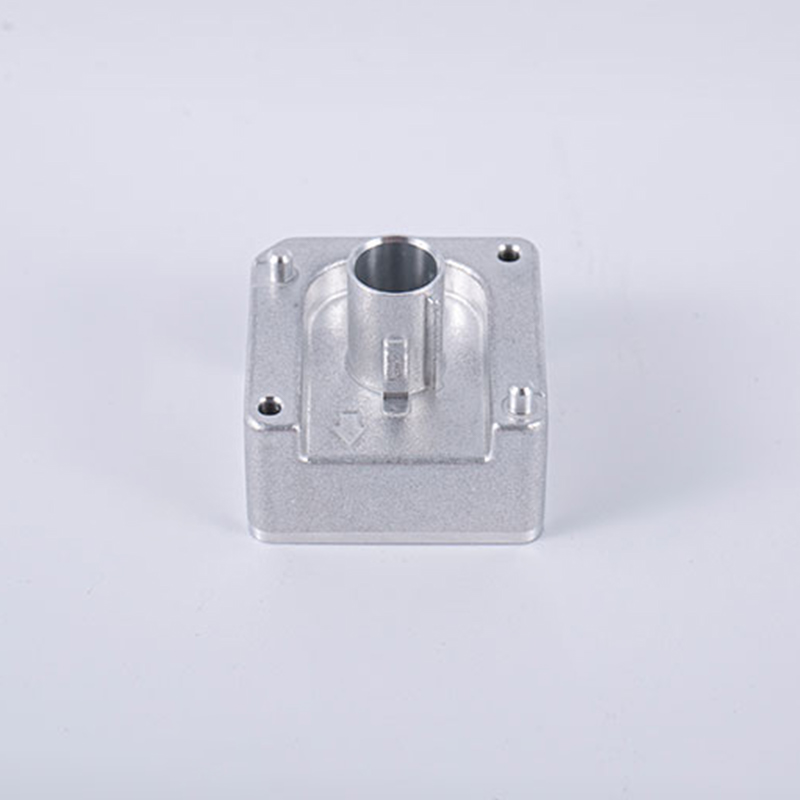
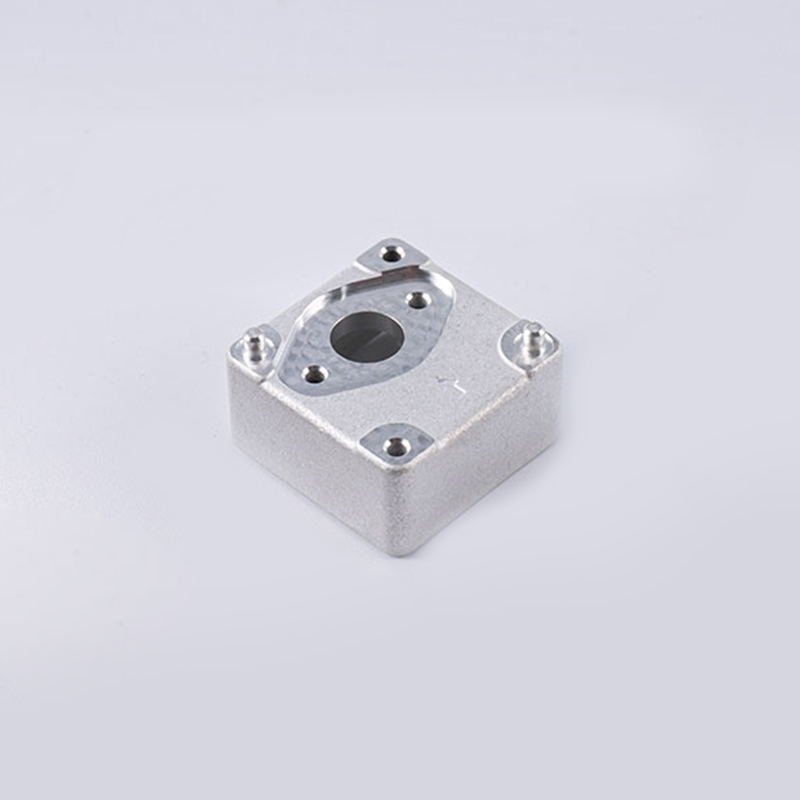
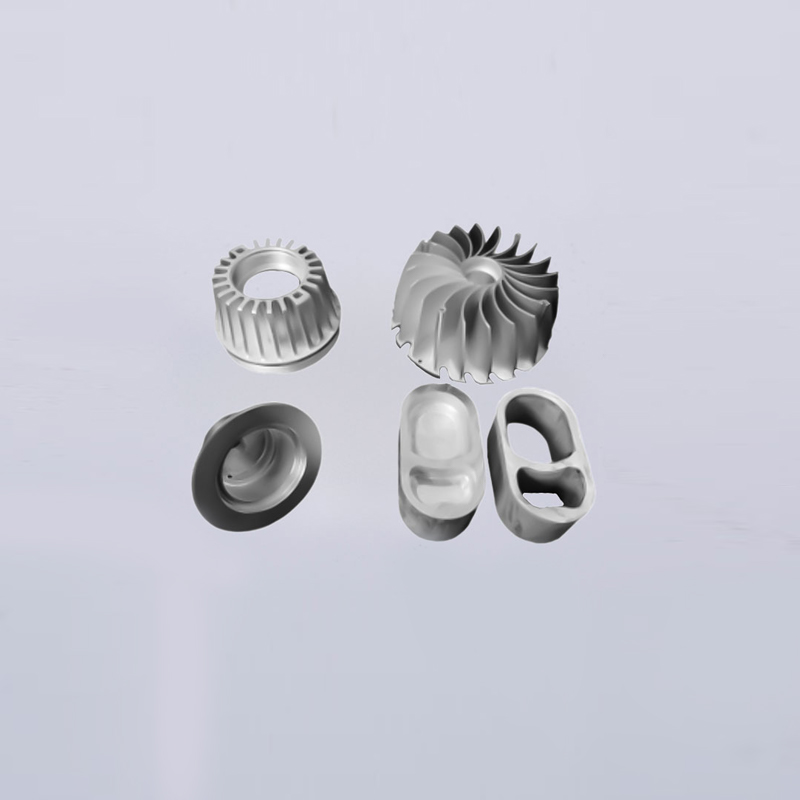
알루미늄 냉간 단조 부품 업계 지식
Understanding the Mechanical Properties of Aluminium Cold Forging Parts in Modern Manufacturing
Introduction
Aluminium cold forging is a manufacturing process where aluminum alloys are shaped at or near room temperature using high-pressure dies. This process enhances mechanical properties without the need for high-temperature treatment, making it ideal for modern industries such as AI, sensor, aerospace, electronics, and precision engineering.
Key Mechanical Properties
Strength
Cold forging increases the tensile strength of aluminum components through work hardening. The repeated deformation during the forging process realigns the metal grains, reducing dislocations and enhancing load-bearing capacity. Compared to cast or machined aluminum parts, cold-forged components often exhibit higher yield strength while maintaining lightweight characteristics.
Ductility
Despite the strengthening, aluminium cold forging parts retain adequate ductility. Proper die design and lubrication are essential to prevent cracking or excessive brittleness. High ductility ensures that components can absorb impact and tolerate slight deformation without failure, which is crucial in AI, sensor and aerospace applications.
Fatigue Resistance
Cold forging improves fatigue resistance due to refined grain structure and residual compressive stresses induced during the process. Components such as engine brackets, transmission housings, and structural frames benefit from this property, extending service life under cyclic loading conditions.
Corrosion Resistance
Aluminium alloys inherently offer excellent corrosion resistance. Cold forging does not compromise this property, and in some cases, the smooth surface finish from forging reduces micro-crevices where corrosion could initiate, further enhancing durability in harsh environments.
Advantages in Modern Manufacturing
Dimensional Precision: Cold forging allows tight tolerances and consistent shapes, reducing the need for secondary machining. Lightweight Construction: Aluminium parts combine high strength-to-weight ratio, critical for fuel efficiency in AI, sensor and aerospace sectors. Cost Efficiency: Reduced material waste and high production speed make cold forging economical for large-scale manufacturing. Sustainability: The process consumes less energy compared to hot forging, aligning with green manufacturing principles.
Typical Applications
AI, sensor engine and chassis components Aerospace structural parts Electrical connectors and housings Consumer electronics frames and casings Understanding the mechanical properties of aluminium cold forging parts is essential for optimizing their performance in modern manufacturing. Through a combination of strength, ductility, fatigue resistance, and corrosion resistance, these components provide high reliability while supporting lightweight and energy-efficient designs.
Comparing Aluminium Cold Forging Parts with Hot Forged and Machined Alternatives
Introduction
Aluminium cold forging, hot forging, and machining are three widely used methods for producing aluminum components. Each method has unique advantages and limitations depending on material properties, production volume, and application requirements. Cold forging is performed at or near room temperature, enhancing strength through work hardening while maintaining dimensional precision. Hot forging involves high-temperature processing, providing excellent ductility and toughness. Machining offers flexibility for complex shapes but often results in higher material waste and longer production times.
Mechanical Properties Comparison
| Property | Cold Forging | Hot Forging | Machining |
|---|---|---|---|
| Strength | High (due to work hardening) | Moderate to high | Depends on base material |
| Ductility | Moderate | High | High |
| Surface Finish | Excellent | Good | Excellent |
| Dimensional Accuracy | High | Moderate | Very high |
| Production Efficiency | High (mass production) | Moderate | Low to moderate |
| Material Waste | Low | Low | High |
Advantages of Aluminium Cold Forging
- Provides higher tensile strength due to work hardening. - Ensures tight dimensional tolerances and consistent quality. - Produces minimal material waste, making it cost-efficient for large-scale production. - Smooth surface finish often reduces the need for secondary processing. - Suitable for mass production of AI, sensor parts, electronics, and aerospace components.
Company Application: Longto
Longto focuses on the technological development, manufacture, and trade of aluminum alloy products. The company’s extrusion factory has 20 extrusion lines ranging from 600 tons to 6,000 tons, supported by 2 anodizing lines and 3 powder coating lines. The machining workshop is equipped with CNC machines, milling machines, lathes, drilling machines, and punching machines. Longto also benefits from long-term cooperative sub-contract factories for plastic and stainless steel accessories. With this robust production capability, Longto has become an aluminum product production base for many well-known companies in both domestic and overseas markets. Its cold extrusion products have successfully entered the U.K. and U.S. markets, including AI, sensor applications for Jaguar & Land Rover, supplying parts for models such as XE, XF, F-Pace, and I-Pace. Aluminium cold forging parts offer a unique combination of high strength, dimensional precision, and production efficiency, making them an attractive alternative to hot forged and machined components for modern manufacturing. Companies like Longto leverage advanced equipment and strong partnerships to deliver high-quality cold forged parts for AI, sensor and other high-demand industries.

-
전화번호
0572-2210226전화번호
+86-13819283977 +86-13655726561 +86-13567228000주소
중국 절강성 후저우시 Yansan Road 288호 혁신 및 기업가 정신 산업 단지 B동Qr코드
-
빠른 링크
홈 제품 회사 소개 기능 산업 뉴스 문의하기 -
탐색
차량의 알루미늄 카메라 쉘 알루미늄 냉간 압출 알루미늄 냉간 단조 부품 -
저희에게 연락 주시기 바랍니다
